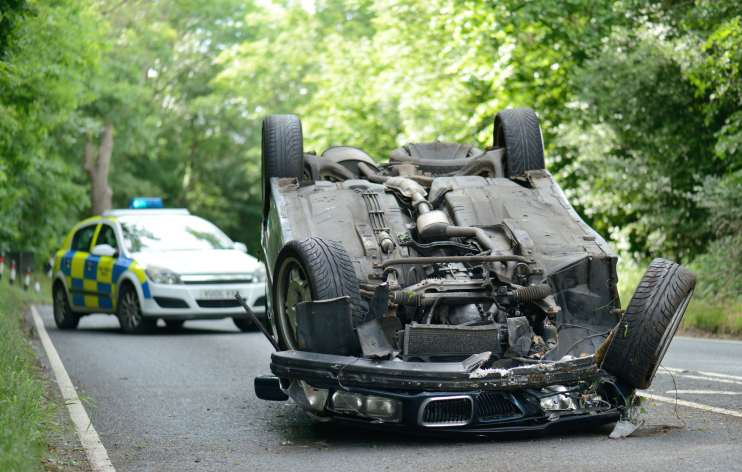

¿Quiénes son los conductores de mayor riesgo?

Experience, age, vehicles, restrictions and your driving history all collectively determine your risks. Your auto insurance provider will use that risk to determine how to provide coverage for you.

High-risk drivers present the highest cost risks to insurers. An insurance company assumes high chances of issuing a claim when insuring that driver.

When an insurance company issues a claim, it costs the company money. So, insurers often have to charge high-risk policyholders more for their coverage. One way to avoid paying higher prices is to reduce your chances of becoming a high-risk driver.

What are some of the common examples of high-risk drivers, and how do you insure yourself if you become one?

Determining Which Drivers are High-Risk

Most insurance companies determine who is a high risk driver differently. Some might use your credit score as a factor, while others will use your age. Almost all of them will use your driving history as a risk factor.

Nonetheless, there are still various drivers that most insurance companies consider high-risk. If you fall into one of these categories, you might pay more for your insurance coverage.

New or Teen Drivers

Many people lump new and teen drivers into one high-risk category. However, these two groups are not always the same.

A new driver can be anyone who recently learned to drive. There is no age limit. These drivers do not have the experience of seasoned drivers. Therefore, they pose a higher risk of accidents and other hazards on the road. As experience increases, a driver’s risk may decrease, and an insurance company may lower a driver’s rates.

Since most teen drivers are new drivers, they usually face most of the same risks. Research also shows that teen drivers are more likely than older drivers to have accidents or commit driving violations. Their risk level is often compounded because of their age.

Older Drivers

Like teen drivers, older drivers also face a higher risk while driving. Age might begin to impact faculties like vision, reflexes and concentration. This may cause insurers to classify older drivers as high-risk.

Uninsured Drivers

Most drivers in the U.S. have to carry auto insurance. Most states set minimum insurance coverage limits that all drivers have to carry. If you fail to carry your state’s minimum insurance, you could face financial penalties.

Since going without insurance is illegal, drivers should not let their policies lapse. If you fail to carry insurance, many insurance companies will classify you as a high-risk. Most insurers remind their policyholders to renew their policies within ample time.

Poor Driving Record

Almost every insurer looks at driving records when determining rates and issuing coverage. Drivers who have a poor driving history represent higher risks in the eyes of their insurance companies. Therefore, they are a greater cost burden. Insurers routinely raise premium prices, or even decline coverage for drivers who have experienced:

  • Multiple at-fault accidents
  • A record of speeding tickets or reckless driving charges
  • SR-22 requirements, which are certificates that verify for states that high-risk drivers have insurance
  • DUI/DWI convictions

Most insurers don’t look at your entire driving history, only that of the last few years. If your insurer sees your record improve, it might remove your high-risk classification. Therefore, they might lower your prices. The safer you drive, the more likely you are to save money on your insurance rates.

Poor Credit

Some insurance companies take a driver’s credit into account when determining risk. A poor credit score might signal that a policyholder might not reliably pay for the coverage. Therefore, a high-risk rating may result for the policyholder.

Rare Vehicles

Not all vehicles can receive standard insurance coverage. Certain cars have excessive or unique value. A normal auto policy might not provide high enough coverage levels for those cars’ needs.

Classic vehicles, or custom-built cars might need excessive insurance because of their operational risks and values. This may mean an insurer has to classify the driver as high-risk in order to improve the driver’s coverage.

How Do You Insure Yourself as a High-Risk Driver?

One company might offer you more affordable coverage if it assigns you a different risk level than another. Therefore, it is always best to compare policy options when getting auto insurance.

While you may still carry a level of risk with one company, it may be lower than the risk you carry with another. Your independent insurance agent can often compare policies based on your driving risks. They can help you pinpoint affordable coverage. Furthermore, your insurer may offer discounts even if you are a high-risk driver. You might qualify for student, auto-payment or loyal customer discounts. That way you can save coverage in spite of your extra risks.

As a high-risk driver, make sure you never go without the required coverage for your vehicle. Also work with your insurance provider to balance costs and coverage.

Amigo Insurance Agency, Inc has your coverage needs in mind. Call 877-999-2644 to get a free quote on an affordable Chicago car insurance policy.
116982285
¿Tiene preguntas? Llámenos

Si tiene alguna pregunta sobre una póliza vigente, cómo pedir una cotización en línea o prefiere obtener su cotización por teléfono, nuestros agentes están listos para ayudarle.

773-847-9000

Visite una de nuestras oficinas

Encuentre un agente local para obtener una cotización gratis o recibir ayuda con su póliza actual.

Encuentre la oficina más cercana

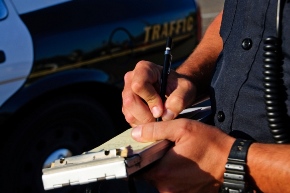
Te han multado por una infracción de tránsito, ¿y ahora qué?

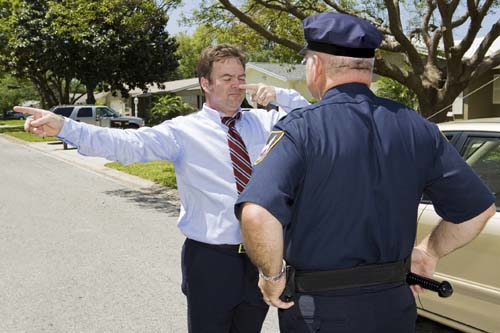
No one wants the police to stop them while driving. Drivers, regardless of their record, need to take each driving violation seriously.

By taking steps to address the charge, you can save yourself a lot of potential trouble. Consider these steps to make driving after a ticket less of a hassle.

1. Understand the Charges and Cooperate

When the police stop you, you are welcome to ask questions and inquire about the citation. However, never become argumentative or combative with police.

It seems cliché but a little understanding goes a long way. First, argumentative suspects may elicit additional charges besides just the moving violation. Furthermore, they are likely to elicit very little sympathy from the officer. The officer may be able to use a driver’s conduct against them should they have to appear in traffic court.

2. Contact Your Proper Authorities

After you’ve received a charge, infrequent offenders may have to pay a fine or appear in traffic court. However, as moving violations often go on a driver’s record, they often have a chance to appeal the citation. If you decide to appeal your citation to the courts, contact your lawyer to begin the proceedings. You will likely have to gather evidence and present your case before the court to have the charge waived.

Regardless of whether you decide to appeal, you still have to face the penalties. Pay all of your fines, and appear at all your court hearings.

3. Understand Penalties

A ticket or driving violation isn’t exactly the most fun experience in the world. For infrequent offenders, the consequences are likely relatively minimal. However, frequent traffic offenders may face much tougher penalties. Depending on your driving record and offense history, you may face tougher penalties. The most severe penalties may include the loss of driving privileges, and even potential jail time.

4. Protect Your Car Insurance

A moving violation often signifies that you take unsafe risks while driving. Auto insurance companies routinely consider applicants’ driving records when they issue coverage. Therefore, the existence of moving violations on your record may lead an insurer to consider you a high-risk driver. Insurers may penalize high risk drivers in the following ways:

  • Classifying the driver as non-standard operator, forcing the driver to look for new coverage. Often, non-standard coverage comes at a higher cost.
  • Increasing the premiums of the driver’s existing auto insurance.
  • Cancelling the driver’s existing coverage. They may have to seek a new policy that better addresses their risks.

Furthermore, driving charges may not allow drivers to qualify for discounts or cost reductions. Therefore, it is best for all drivers to avoid moving violations as best they can. Paying careful attention to the rules of the road is often all you need to remain safe.

We’ve got you covered. Call Amigo Insurance Agency, Inc at 877-999-2644 for a free Chicago auto insurance quote.

123091625_traffic_ticket
¿Tiene preguntas? Llámenos

Si tiene alguna pregunta sobre una póliza vigente, cómo pedir una cotización en línea o prefiere obtener su cotización por teléfono, nuestros agentes están listos para ayudarle.

773-847-9000

Visite una de nuestras oficinas

Encuentre un agente local para obtener una cotización gratis o recibir ayuda con su póliza actual.

Encuentre la oficina más cercana

Cómo evitar cargos por conducción imprudente y requisitos SR-22

Reckless driving demonstrates risk to the authorities and insurance companies. Reckless driving may harm drivers, their vehicles, personal property and others on the road.

A state may require reckless drivers to get a SR-22 certificate. A SR-22 certificate is not an insurance policy. It is a certificate that verifies for the state that a driver has an active auto insurance policy.

SR-22s remain on a driving record and auto insurance policies for a couple of years. Drivers have to maintain active auto insurance for the entire SR-22 period.

If an insurance policy lapses, the SR-22 becomes void. If drivers continue to receive reckless driving charges, the SR-22 period may start over. Drivers may even face harsher driving penalties.

Drivers should do everything they can to avoid a reckless driving charge. Take a look at some of the ways to reduce this risk, and also cut the chances of getting an SR-22.

1. Brush Up On Unfamiliar Laws

Many of us cannot fully understand the myriad of state driving laws. We may not understand certain signs, right of way laws or speed requirements. Accidentally breaking one of these laws may lead to a reckless driving charge.

All drivers should periodically refresh their basic knowledge of state driving laws. Reviewing the state driving handbook or passing a defensive driving course may help them learn to be safer on the road.

2. Put Down the Mobile Devices

Multiple states penalize distracted drivers for reckless driving. A common distraction is mobile device use. Texting while driving may lead to accidents, speeding and potentially deadly harm to others. Never use mobile devices while driving.

Another common cause of distracted driving is impaired driving. Never drive while intoxicated or under the influence of illegal or prescription drugs.

3. Have Vision and Hearing Tests

Many states require vision or hearing tests for drivers to obtain a license. If drivers don’t pass these tests, they could pose driving risks. Proper vision and hearing help make sure a driver can react and avoid potential hazards. Drivers should never hit the road without wearing glasses, contacts or hearing devices required of them.

Finally, drivers should take the time to check their insurance coverage. If they don’t carry auto coverage that meet’s their state’s requirements, they could face driving charges. This may include the requirement to get an SR-22. Never hit the road without a policy that can adequately cover vehicular risks.

Need SR-22 coverage? Call Amigo Insurance Agency, Inc. at 877-999-2644. We can help you get an accurate Chicago car insurance quote right now.

178877151
¿Tiene preguntas? Llámenos

Si tiene alguna pregunta sobre una póliza vigente, cómo pedir una cotización en línea o prefiere obtener su cotización por teléfono, nuestros agentes están listos para ayudarle.

773-847-9000

Visite una de nuestras oficinas

Encuentre un agente local para obtener una cotización gratis o recibir ayuda con su póliza actual.

Encuentre la oficina más cercana

¿Viaja a México? Necesita un seguro de automóvil.

Whenever you hit the road, you need auto insurance. This is especially true when you venture to an unfamiliar location. When you travel, you face risks that you may not ordinarily encounter. That’s why this coverage is so important. But, when you travel outside of the U.S., you may find that your standard auto insurance does not cover you.

Americans may travel into Mexico on vacation or even everyday business. However, what you may not realize is that Mexican law does not recognize most forms of U.S. auto insurance. However, going without auto insurance in Mexico is just as risky as going without auto insurance in the U.S.

Driving Qualifications for Mexico

If you plan to drive in Mexico, you have to the first take steps to ensure that you have the correct qualifications to operate in the foreign jurisdiction.

The good news is that Mexico recognizes the U.S. driver’s licenses. Still, U.S. drivers usually also need passports, visas or other documents to legally enter Mexico. Also, depending on where you drive, you may have to get an import permit to bring your vehicle into Mexico.

But, along with these requirements, you must get insurance as well.

Getting Mexican Auto Insurance

Mexico, like the U.S., requires most drivers to carry auto insurance. If Americans fail to carry the appropriate foreign insurance, they may face severe penalties from Mexican authorities. Penalties may include impoundment of vehicles or even jail time.

American drivers in Mexico can usually get Mexican insurance before they leave home. Many American brokers work closely with reputable Mexican insurance companies to issue policies. These policies will meet all Mexican insurance requirements. They should contain:

  • Liability coverage, similar to the third-party liability coverage of American policies
  • Medical payments coverage for those in your vehicle
  • Travel assistance similar to roadside assistance
  • Legal assistance coverage, in case a legal problem arises relating to the accident

Drivers may also be able to add extra protection like theft or collision coverage.

Many Mexican insurance policies can cover drivers in both short- and long-term increments. American drivers should talk to an experienced insurance agent before buying a policy. The agent can help the driver determine the appropriate coverage limits for Mexican driving.

Do you need Mexico auto insurance? Call Amigo Insurance Agency, Inc. at 877-999-2644 now.

184809154-female-driver
¿Tiene preguntas? Llámenos

Si tiene alguna pregunta sobre una póliza vigente, cómo pedir una cotización en línea o prefiere obtener su cotización por teléfono, nuestros agentes están listos para ayudarle.

773-847-9000

Visite una de nuestras oficinas

Encuentre un agente local para obtener una cotización gratis o recibir ayuda con su póliza actual.

Encuentre la oficina más cercana

La verdad sobre los baches y cómo evitarlos

It is awfully difficult to traverse city roads without encountering a pothole. Sometimes, potholes can linger for years.

Potholes form as a result of uneven roads that cause the back ends of trucks to smack against the road. Potholes also form due to freezing and thawing that leads to cracking. When moisture reaches such cracks, they form potholes. Often, drivers see potholes and swerve into another lane without looking. This reaction might cause an accident and raise auto insurance rates.

Why Potholes are Such a Problem

Potholes are certainly unsightly. They often mar otherwise clean roads that are in solid condition.

Yet the most glaring problem posed by potholes is the damage they inflict on vehicles. Potholes have the potential to severely damage a vehicle’s wheels, tires and suspension. Let’s take a look at a few tips that will help drivers reduce the impact of potholes.

How Drivers can Avoid Potholes

The best way to avoid potholes is to use common sense.

  • Drive at a reasonable speed that is always at or below the posted speed limit. Such a safe speed will provide you with ample time to react if you spot a pothole. Do not tailgate.
  • Do not swerve into an adjacent lane to avoid the pothole. Changing lanes could cause an accident worse than any damage resulting from direct contact with the pothole.
  • If you have enough time to gauge traffic in an adjacent lane, do so. If you believe there is enough space to change lanes before hitting the pothole, go ahead and move over.

Minimize the Damage

In most instances, you will not have enough time to avoid potholes. Be especially aware at night when potholes are that much more difficult to see.

You may be able to reduce the damage of the impact by reducing your rate of speed. Take your foot off the brake after making contact with the pothole. This strategy helps your automobile absorb the impact. Be sure to approach the potholes with your vehicle’s wheels pointed straight ahead. Striking a pothole at an angle can worsen the damage.

It will also help to keep your vehicle in good working order. A well-maintained car stands better chance of emerging from a pothole without damage. Keep your vehicle’s tires inflated to the proper level. Make sure the steering and suspension are in tip-top shape. These preparations will help you avoid an accident that spikes your car insurance rate.

Do you need auto insurance? Let us help. Call Amigo Insurance Agency, Inc. at 877-999-2644 for a fast, free Chicago auto insurance quote.

¿Tiene preguntas? Llámenos

Si tiene alguna pregunta sobre una póliza vigente, cómo pedir una cotización en línea o prefiere obtener su cotización por teléfono, nuestros agentes están listos para ayudarle.

773-847-9000

Visite una de nuestras oficinas

Encuentre un agente local para obtener una cotización gratis o recibir ayuda con su póliza actual.

Encuentre la oficina más cercana

¿Qué es una prueba de pérdida?

You need to file a home insurance claim. A part of the process in doing so is often to complete a proof of loss statement. What’s that? And, how do you know how to complete it?

The good news is your home insurance agent will help you through this process. Whenever there is a need to file an insurance claim, rely on your agent to help. This speeds it up. It also ensures you do not provide inaccurate information that could damage your claim.

Defining Proof of Loss

The proof of loss statement is a document you often must complete when filing a claim. Most insurance claims require it. However, it is nearly always a requirement when filing a home insurance claim. In short, it is a statement that outlines what amount of money you wish to request. This is a legally binding document. That means you must be truthful in it. You must also take steps to ensure the amount you request is accurate.

A proof of loss statement requires your signature. This signature is your sworn oath about the money you wish the insurer to pay you for the claim loss. The home insurer will use this document to determine if it can pay you the amount requested. This is not your actual claim. You will need to fill out additional information about why you are filing the claim.

With a proof of loss statement, you state how much you wish the policy to pay you. In some cases, you will need to justify this amount. For example, in a roofing claim, the estimate from a local roofer will help to prove that this is the amount necessary to cover the claim. If you lost a piece of jewelry, a receipt can help you verify the actual worth of the item.

Take the time to work with your insurer to complete the proof of loss. Be sure it is as accurate as possible. This information will play a role in how much the insurer pays you for the claim. However, it is only the first step. The insurer will still verify that this is the right amount. The home insurance policy also defines how much coverage you will receive. Your home insurance agent will help you through this process to ensure accuracy and speedy claim service.

Ready for home insurance? Look no further. Call Amigo Insurance Agency, Inc. at 877-999-2644 for a Chicago home insurance quote.

¿Tiene preguntas? Llámenos

Si tiene alguna pregunta sobre una póliza vigente, cómo pedir una cotización en línea o prefiere obtener su cotización por teléfono, nuestros agentes están listos para ayudarle.

773-847-9000

Visite una de nuestras oficinas

Encuentre un agente local para obtener una cotización gratis o recibir ayuda con su póliza actual.

Encuentre la oficina más cercana

Cómo evitar accidentes costosos al conducir en México

Driving in Mexico means that Americans have a responsibility to follow Mexican law. If they don’t, they could experience an accident. This could cause problems between drivers and Mexican authorities. Not only will accidents likely result in hassles, they may lead to out-of-pocket costs that need specialized insurance.

American drivers should take steps to reduce vehicle accident risks if they drive in Mexico.

1. Familiarize Yourself With Mexican Driving Laws

In many ways, driving in Mexico is much the same as driving in the U.S. However, driving laws vary from place to place. Different signage, road structures and toll capacities may all confuse American drivers. Americans should also familiarize themselves with common Mexican driving practices before they drive. Print and online resources can help drivers prepare for their adventure south of the border.

Furthermore, Americans shouldn’t assume that all driving rules will have English translations. Mexico’s primary language is Spanish. The further you venture from the border, the more likely you are to encounter signage and other rules exclusively in Spanish.

2. Get the Right Driving Paperwork

Mexico recognizes U.S. drivers licenses as valid. However, Americans often have to get other paperwork to operate in the country.

Americans may need passports, visas, import permits and proof of Mexican insurance to enter the country. This paperwork can help clear up accident-related questions and support your right to drive.

3. Get Mexican Auto Insurance

If you have an accident in Mexico, it may lead to costs and liabilities like those you face in the states. You may want to use auto insurance to help you mitigate these damages.

Mexico does not recognize U.S. auto insurance policies. Therefore, American drivers need a specialized policy when driving in this country. Failing to carry Mexican insurance when driving may result in significant problems. American drivers may be unable to afford repairs to their vehicles. Furthermore, they may face arrest or charges because they don’t have auto insurance.

Many American insurers work with reputable Mexican insurance companies to issue policies to international drivers. Your local insurer may be able to issue you a policy in conjunction with that Mexican company. You can often adjust your policy to make sure it contains all the coverage you need to drive in Mexico. Furthermore, drivers can often only make these policies active during the duration of their trip to Mexico. This can help them only pay for the coverage when they need it.

If you need Mexican auto insurance, look no further. Call Amigo Insurance Agency, Inc at (877) 999-2644 and we can help you get a policy specific to international driving.

¿Tiene preguntas? Llámenos

Si tiene alguna pregunta sobre una póliza vigente, cómo pedir una cotización en línea o prefiere obtener su cotización por teléfono, nuestros agentes están listos para ayudarle.

773-847-9000

Visite una de nuestras oficinas

Encuentre un agente local para obtener una cotización gratis o recibir ayuda con su póliza actual.

Encuentre la oficina más cercana

¿Qué no cubre una póliza para propietarios de negocios o BOP?

How do small companies buy insurance? Many businesses buy a business owner’s policy. This kind of protection is often called a BOP. Insurers will offer lower rates for the coverage included in the BOP. This solution may offer a simple and cheaper way to buy insurance.

A BOP may make sense for a small company. Stores, dental offices, and cafes all may find that a BOP suits their basic needs. Still, it may not provide enough insurance.

What does a BOP cover? Common coverage in a BOP might include liability, property and business interruption insurance. Some agents will customize a BOP to suit their clients. They may be able to tailor protection for the business size, industry, or location.

What Won’t a BOP Cover?

Still, a BOP may not include all the coverage that your company needs.

These kinds of insurance are not likely to come with a BOP:

  • Professional liability: Some professionals need to protect themselves against claims that they did not perform their duties properly. Medical professionals may need malpractice insurance. Finance professionals might have to buy errors and omissions coverage. A BOP usually won’t come with this kind of protection.
  • Cyber insurance: Today’s companies value digital information. They also value the security of customers’ information. Cyber insurance protects businesses against data breaches or the loss of computer systems.
  • Business car: A company’s cars have to have insurance against liability or property loss. Personal insurance isn’t usually enough. A company may need business car insurance too.
  • Employee benefits: A BOP won’t usually contain workers’ compensation or health insurance either. Employee benefits must usually come separately.

How to Buy Business Insurance?

Most business owners understand that they need insurance to protect their company. They might also need to protect their employees. Most owners would rather focus their energy on running their company. The right insurance can help them focus by giving them peace of mind.

Find an agent with experience insuring covering similar companies. They should suggest policies and help compare rates. The final choice of a BOP and other business insurance depends upon the owner. A good agent can help the company save time and money.

Let Amigo Insurance Agency, Inc help you get the right coverage at an affordable price. Call us at (877) 999-2644 for a fast, free insurance Chicago business insurance quote.

¿Tiene preguntas? Llámenos

Si tiene alguna pregunta sobre una póliza vigente, cómo pedir una cotización en línea o prefiere obtener su cotización por teléfono, nuestros agentes están listos para ayudarle.

773-847-9000

Visite una de nuestras oficinas

Encuentre un agente local para obtener una cotización gratis o recibir ayuda con su póliza actual.

Encuentre la oficina más cercana

Prepare su vehículo para conducir en invierno ahora mismo

We are quickly moving towards the close of the year, and towards the official start of winter. Even so, winter raises new safety risks that may impact your ability to drive safely. Therefore, you are likely have to take extra precautions when driving during the winter.

One way to improve your driving risks during the winter is to keep your car in good working order. By having a safe vehicle, you can lower your safety risks when you drive. You might be able to avoid breakdowns, wrecks or the potential that you will harm others. Not only is this good for you as the driver, it is also good for your insurance company and others on the road.

As winter approaches, realize that different forces may impact your car’s reliability. Take the time to make adjustments to your driving habits and your vehicle.

Know How Changing Seasons Affects You

No two locations are alike in how they experience seasonal changes. Some parts of the country may see frequent blizzards. Others have temperatures below zero but little precipitation. Still other areas might see mild temperatures, but frequent precipitation.

You should know how a typical winter impacts your area. This can help you take better precautions to prepare your vehicle for winter driving. Environmental changes during the winter may impact your ability to drive. They may also have different effects on your vehicle and its working systems.

Review Your Auto Insurance

Your auto insurance is an important part of the protection your vehicle needs. Should you experience vehicle damage or personal injuries from various incidents, your coverage can usually help pay to control the problems. It’s imperative for drivers to periodically review their coverage.

Most people review their policies as they come up for renewal. However, there is no wrong time to check your existing coverage. As winter approaches, make sure your policy is adequate for the seasonal risks you may face.

  • Ensure your collision and liability coverage are high enough. During winter, a potential for increased bad weather might raise your accident risks.
  • Check your comprehensive coverage. This protection kicks in for risks not associated with wrecks. It may cover damage sustained for instances of fire, theft or weather. See if you have (or can obtain) coverage for winter weather typical of your area.
  • Your insurance may offer more coverage that could benefit you in case you have car trouble. For example, you may be able to use roadside assistance coverage in case you get stranded in bad weather.

Getting Your Car Ready for Winter

As winter sets in, the changes in weather could have lasting effects on your vehicle. Remember, your car experiences a lot of exposure to the elements. Rain, snow or freezing temperatures may all damage internal and external vehicle systems.

Consider taking your car to your mechanic before the winter arrives in full. They can run maintenance on the vehicle to help prepare it for harsh or changing weather. They may even be able to diagnose small malfunctions that it may be a good idea to repair before the cold sets in.

  • Have your oil changed every few thousand miles. Your vehicle manufacturer can usually recommend a specific limit on miles. Changing the oil before winter can help ensure that internal systems have appropriate protection.
  • Have your mechanic run a test to ensure the strength of your engine. If your engine doesn’t function well, it may come under undue stress during times of severe weather.
  • Your car’s battery may experience sensitivity issues during the winter. For example, during times of cold weather, your battery may use more energy to start your vehicle. This could strain the battery, and hasten its eventual failure. Battery strain can also impact other vehicular system. The typical vehicle needs a battery change every two to five years. If your battery is due for a change, consider getting it fixed before winter sets in.
  • If you find your tire treads depleted, consider buying new tires. Routinely check your tire pressure throughout the winter. Also have your shock absorbers, brake system and other control mechanisms inspected. Some drivers have snow tires installed on their vehicles during the winter. These practices can help drivers better control their vehicles on roads affected by weather.
  • Check your vehicle seals and HVAC system. If either malfunction, this could cause undue strain on other internal systems.

As you approach winter, do what you can to keep your vehicle safe. Then, once you hit the road, drive in manners that take existing hazards into account. While your auto insurance can help you in the event of an accident, the better approach is to prevent such risks. Therefore, careful preventative maintenance may help you stay safe on winter-affected roadways. Never forget to talk to your auto insurance agent about how you could improve your coverage for winter driving.

Do you need auto coverage? Call Amigo Insurance Agency, Inc at 877-999-2644 for a Chicago car insurance quote.

¿Tiene preguntas? Llámenos

Si tiene alguna pregunta sobre una póliza vigente, cómo pedir una cotización en línea o prefiere obtener su cotización por teléfono, nuestros agentes están listos para ayudarle.

773-847-9000

Visite una de nuestras oficinas

Encuentre un agente local para obtener una cotización gratis o recibir ayuda con su póliza actual.

Encuentre la oficina más cercana

Prácticas de conducción segura en México

Many Americans assume that driving in Mexico is dangerous. Usually, this is not the case. Yes, America’s neighbor to the south has unique driving risks, some of which can be quite dangerous. However, Mexican driving in itself is often a perfectly safe, enjoyable experience.

Despite our close connections with Mexico, driving there might seem daunting. Still, if you don’t drive safely in Mexico, you might find yourself in trouble. No one wants to experience driving problems, especially in a foreign country. Therefore, observe safe driving practices that will make your adventure a success.

Before You Go: Obtain Mexican Auto Insurance

American drivers might think they can simply drive into Mexico with no barriers. Wrong answer. Americans have to get proper international travel documents, like passports, vehicle import permits and visas to travel into the country.

Furthermore, Mexican law does not recognize American auto insurance policies. That means if you drive past the U.S. border, your existing auto insurance will likely void.

Mexico and its states requires all drivers to carry their own liability insurance. Therefore, American travelers will need to invest in a Mexican auto insurance policy. Even if you travel in the Mexican free zones, areas with looser visa and import requirements, you still have to carry Mexican Auto insurance. Many American insurers work with their counterparts in Mexico to issue Mexican policies. However, your policy comes directly from the Mexican insurer. Once you get this coverage, you will file any claims with the Mexican auto insurance company. Usually, Americans can obtain policies only for the length of their travels in Mexico.

Once on the Road, Follow Safe Driving Practices

Simply getting Mexican auto insurance won’t give drivers immunity from accidents. Just like domestic driving, foreign driving poses its own risks to Americans. Keep certain safe driving practices in mind as you prepare to travel in Mexico.

  • Prepare your vehicle before you go. You want to have a well-functioning car with any road trip. Where you travel shouldn’t impact whether you have the vehicle serviced before you go. Do it regardless. Change the oil and inspect the engine, tires, battery and other vital systems. Remember, most auto insurance policies won’t cover maintenance breakdowns anyway.
  • If you find yourself in need of repairs in Mexico, seek out a trusted mechanic who understands U.S. vehicles. U.S. cars and Mexican vehicles often have certain differences in design. Mexican auto mechanics may not be familiar with some of the finer points of U.S. auto repairs. You do not want to entrust your vehicle to someone who might not know how to repair it.
  • Plan a route which you intend to travel, and research it beforehand. You should always know what amenities you have available to you along that route. Don’t deviate from your planned route unless you have assurances that it is safe to do so.
  • Contrary to tales of highway robbers, cartels and other threats, driving in Mexico is usually perfectly safe. Nonetheless, there are places that do pose threats to tourists. The U.S. Department of State and the Mexican authorities sometimes issue travel advisories. They might warn visitors to avoid certain areas. Both before and during travel, know which areas that it is best to avoid. Don’t venture into these areas if you can help it.
  • No one wants to have their purse or wallet stolen from their car when they stop for gas or the night. This can happen anywhere you go in Mexico, or even the U.S. for that matter. However, you don’t want to have to deal with the hassle of theft during international travel. Therefore, see to the safety of your possessions at all times. Keep valuable and private possessions with you or locked in your vehicle when you are not inside it. Hide items like purses, electronics or luggage under seats or in trunks. Arm all your security systems when leaving the vehicle.
  • Learn the rules of Mexican roads. In many ways, they will be similar to American laws. However, even small differences might impact foreign drivers. For example, you might encounter signage in Spanish. If you don’t understand it you might make mistakes. You might also encounter road construction or markings with which you aren’t familiar. You can often obtain safety guides to help you better understand the rules of the road.
  • Take special care when driving at night or in unfamiliar environments. Certain hazards could pop up that you might not expect. For example, livestock might roam on rural Mexican roads at night, posing risks to drivers. Additionally, it is well known that anywhere you go at night, unsavory characters might lurk and emergency services might be scarce. Therefore, always redouble your safety efforts.

The bottom line is to remember that you should drive with extreme care when traveling in Mexico. The safer you attempt to drive, the lesser your chances of encountering problems. Nevertheless, you should never go without protection. Speak to your American insurance agent about getting a Mexican auto insurance policy. Your agent can help you determine how best to protect yourself.

¿Tiene preguntas? Llámenos

Si tiene alguna pregunta sobre una póliza vigente, cómo pedir una cotización en línea o prefiere obtener su cotización por teléfono, nuestros agentes están listos para ayudarle.

773-847-9000

Visite una de nuestras oficinas

Encuentre un agente local para obtener una cotización gratis o recibir ayuda con su póliza actual.

Encuentre la oficina más cercana

Obtenga una cotización de la manera que prefiera

click

En línea

Comience una cotización

phone

Por teléfono

773-847-9000

in-person

En persona

Encuentre una oficina