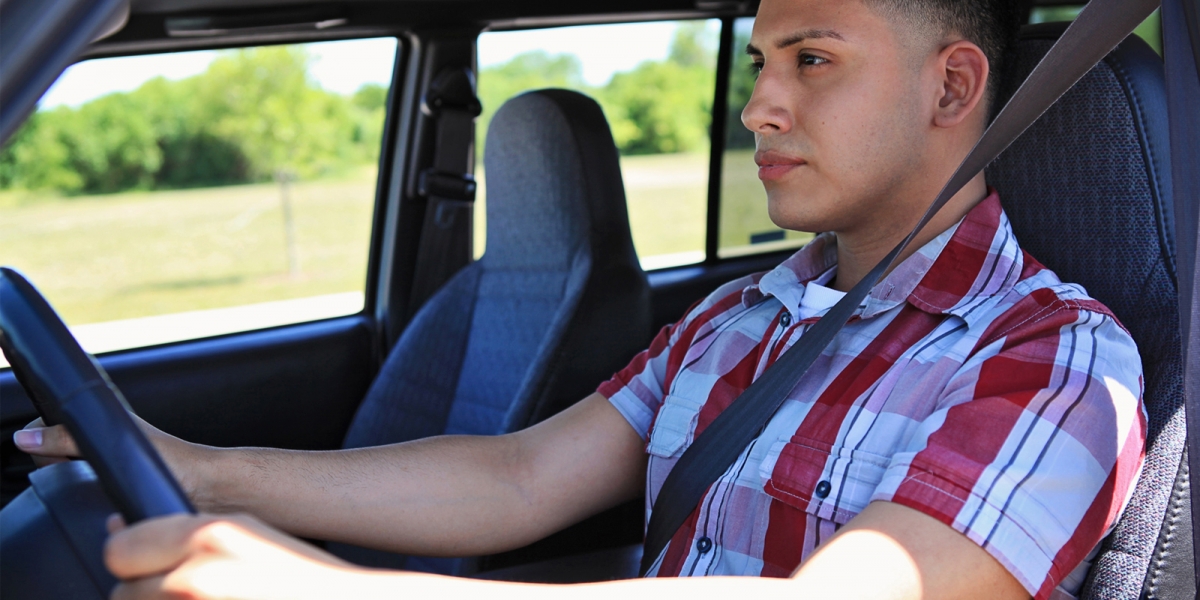
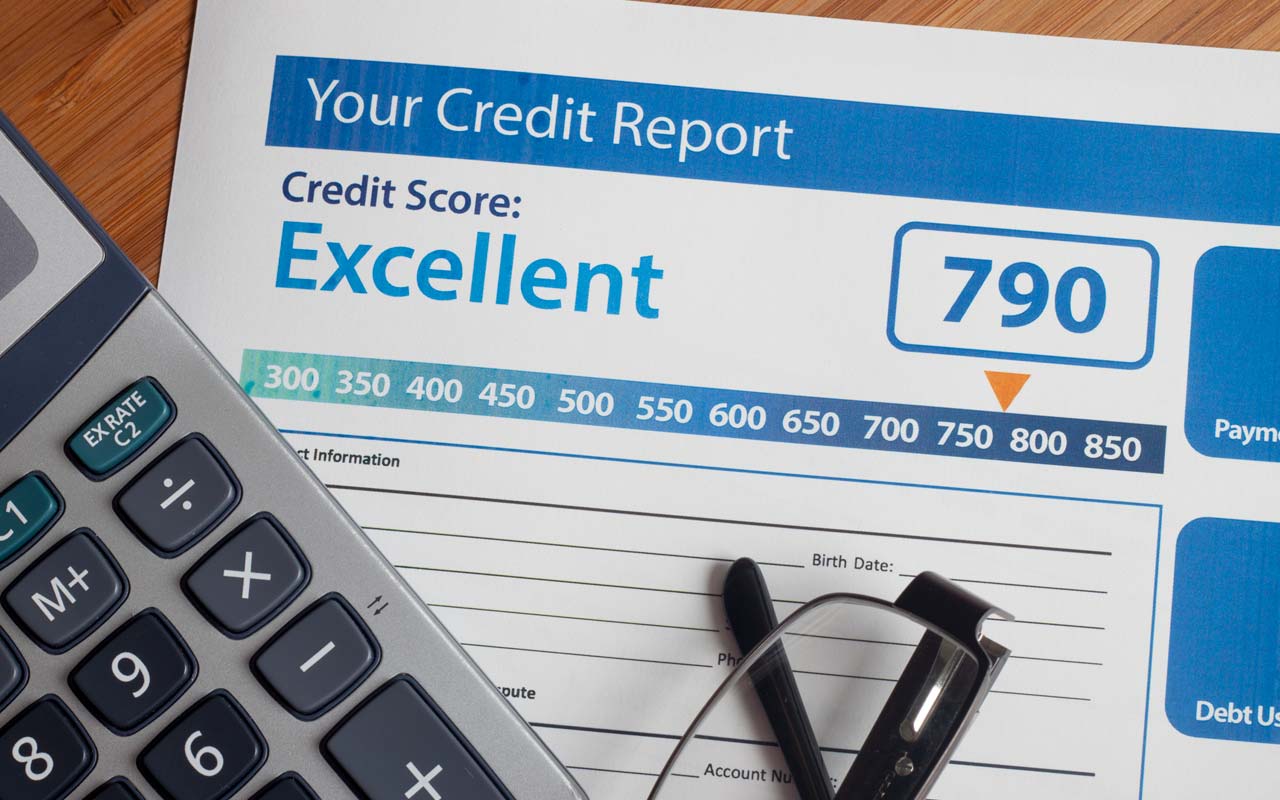
Este es tu primer SR-22. ¿Y ahora qué?

Sometimes, minor traffic violations are more inconvenient than anything else. However, severe violations might show that you are a danger to yourself and others on the road. Each state has different ways of penalizing those who commit serious driving infractions. Penalties might include a requirement to get an SR-22 certificate.

If this is the first time that you have to get an SR-22, you might not understand what it is. SR-22s are certificates that essentially verify that you carry auto insurance. If you have serious driving violations, your state might require you to carry this form.

How You Can Get an SR-22 Penalty

Often, SR-22s penalties originate following dangerous behind-the-wheel violations by drivers. They may arise after drivers receive charges of:

  • Multiple or severe accidents
  • Many speeding tickets
  • Driving without insurance
  • Driving without a valid license or registration
  • DUI or DWI violations

Or other offenses.

Each state determines its SR-22 laws. Indeed, some states do not have SR-22 penalties at all, and won’t require the certificate. However, even if you live in a non-SR-22 state, you can still receive SR-22 penalties in another state. Visit your state’s DMV, motor vehicle service, or public safety websites for information about particular laws.

Understanding the SR-22

An SR-22 might impact the way you carry and afford auto insurance. Therefore, it is important that first-time recipients understand what the SR-22 is. Many people mistakenly believe that SR-22 coverage is a special type of car insurance.

If a driver commits serious violations, the authorities might classify them as high risks. High-risk drivers usually have a greater chance of causing property damage, injuries to third parties or damage to their own vehicle.

States understand the potential for damage that high-risks drivers carry with them. Many states have instituted the SR-22 rule as a way to protect high-risk drivers and others on the road. You can view the SR-22 as a way that states make doubly sure that high-risk drivers carry auto insurance.

SR-22s are not insurance policies. They are certificates that attach to existing auto insurance. Once attached to your insurance policy, the SR-22 goes to your state authorities. It verifies for the state that you have active auto insurance.

How Will the SR-22 Affect My Insurance?

When you get an SR-22, you will need to immediately contact your insurance agent. Your agent will be a source of information and assistance during this time.

SR-22s belong to drivers who carry a lot of risk, and insurance companies know this. Therefore, just as the state will view you as high-risk, so might your insurer.

When insurers issue policies, they assume risks associated with that driver. They base the amount of risk the driver has on varying factors. However, each factor impacts a driver’s likelihood of filing a claim. The more likely a driver is to file a claim, the higher their risk level usually is. The insurer may increase the driver’s premium because they have a higher chance of having to pay a claim for the driver.

Since SR-22s show a high risk, insurers will likely raise premiums for drivers who carry them. Some even refuse to cover the highest-risk drivers, including SR-22 carriers.

Getting and Maintaining Your SR-22

The thing to do when you get an SR-22 is to keep your wits about you. You usually have to follow a specific process to file the certificate. Contact your insurance agent or insurance company and notify them of the requirement. Your agent can then tell you how the SR-22 will impact your coverage.

  • If your insurer refuses to cover you any longer, your agent might be able to help you find a new policy.
  • You might need to consider adjusting your insurance coverage to higher limits. Your agent can often help you do that.
  • Some independent insurance agencies do not issue SR-22 certificates. You might have to seek policy assistance from another resource to get the filing. Be sure to verify with the state that it is in receipt of the certificate
  • Sometimes, you might have to file the SR-22 with the state yourself. In others, the agency might be able to file the SR-22 on your behalf.

There are usually costs associated with your SR-22 coverage. A simple filing fee is usually quite nominal, around $25 in most cases. However, you might face other costs. For example, the insurance company issuing the SR-22 may require you to pay your full premium up front. This helps make sure that your policy will not expire or cancel due to lack of payment. Remember, your premium may go up, and stay that way for a while.

The good news is, your SR-22 is usually temporary. Most first-time offenders have to keep the SR-22 active on their licenses for about 2-3 years. However, the key to getting an SR-22 is to not re-offend. If you commit further driving offenses during the SR-22 period, it may drive your rates up further or cause the penalty period to start over.

The SR-22 certificate is nothing to disregard or take lightly. You must adhere to its requirements like any other penalty. Talk to your insurance agent to make sure your auto insurance coverage and certificate meet all lawful requirements. With the correct protection, you can ensure that you will finish your SR-22 penalty without lingering consequences. Contact us to learn more about SR-22s in Chicago.
¿Tiene preguntas? Llámenos

Si tiene alguna pregunta sobre una póliza vigente, cómo pedir una cotización en línea o prefiere obtener su cotización por teléfono, nuestros agentes están listos para ayudarle.

773-847-9000

Visite una de nuestras oficinas

Encuentre un agente local para obtener una cotización gratis o recibir ayuda con su póliza actual.

Encuentre la oficina más cercana

Pasos para comprar un nuevo vehículo de empresa este año

Maybe your business is growing, and you’re ready to buy a company car. Or, perhaps, your business’ old vehicles no longer suit your needs. Either way, 2018 might be the year that your company buys a new vehicle.

Vehicle ownership opens up a wide range of possibilities for businesses. You can go more places and deliver more services. Still, it comes with its fair share of responsibilities as well. This includes the responsibility to operate legally, including with the right auto insurance. Most businesses need to carry commercial auto insurance on their company-owned vehicles. As you prepare to buy a car, follow the right purchasing process and duly insure the vehicle.

Before Buying, Look at Your Needs and Finances

When you plan to buy a vehicle for your business, you want to do so after careful analysis of your needs. If you don’t get the correct vehicle, you’re going to probably cost the business wasted money in the long-term.

  • Consider the type of vehicle you need. For example, will you drive off-road or haul specialty equipment in your vehicle? Will you use your car for delivery services? In such cases, you might need a specialty type of vehicle like a truck or van. A standard sedan might not meet your needs.
  • Most companies will pay for and maintain their vehicles using business funds. Therefore, take a close look at your operating budget and income. You should never buy a vehicle that is too expensive for you to afford. Always have a good idea of how much you have in the bank, and how you expect your monetary needs to change in the next year. This can help you better nail down a budget for the vehicle.
  • Where will you keep your vehicle funds? Some business owners set aside dedicated funds to finance their company vehicles. This fund should remain solvent throughout the time you own the vehicle. It can help finance vehicle payments, maintenance and other vehicle costs.
  • How will you pay for company vehicles? Some companies pay cash for their cars, and don’t need to finance the vehicle. However, other businesses will take out a business loan to pay off the vehicles. Usually, credit unions and certain banks will offer these loans to business owners. Still, owners should take care to research the best financing options for their needs.

If you think you need special financial accommodations, talk to your financial advisor. They can help you determine how to manage your purchasing power.

Promptly Insure the Vehicle

After you purchase a new company vehicle, you will need to buy commercial auto coverage. Because your vehicle will belong to the company, you likely won’t be able to use standard auto insurance.

Commercial auto insurance accounts for the fact that a business is often a liable party following vehicle incidents. Usually, your policy will list the business as one of the insured parties. So, in case liabilities or damages arise, the business will have protection.

Usually, commercial auto coverage will include protection like:

  • Liability protection: To protect the business when its drivers are at-fault in an accident that harms someone else.
  • Collision coverage: Can help the business afford vehicle repairs following a wreck.
  • Comprehensive coverage: Can cover repairs resulting from incidents like theft, vandalism, fire or weather damage.
  • Medical payments protection: If you need help with medical expenses after an accident, this coverage might help.

And other forms of protection.

Always tell your commercial auto insurance agent certain things about the car:

  • What type of vehicle it is. For example, commercial trucks likely need different coverage than sedans.
  • Who will drive it? You might need to list all employee drivers on your policy. However, many policies automatically cover all employee drivers.
  • Will employees use company-owned vehicles for personal business? The personal use of commercial vehicles might mandate special coverage riders.

Remember, you will likely have to insure the vehicle to meet minimum standards set by your state. Often, an insurer will automatically place the minimum requirements on your policy. However, business owners should increase these levels as necessary, to guarantee protection of their vehicles.

After Buying, Register the Car Appropriately

Commercial vehicles, like every other car on the road, will require registration. Businesses should visit their state’s vehicle registration department to learn more. Some businesses might need specialized operating registration based on the vehicle or products they transport.

Furthermore, drivers might need to get special licensing to operate certain types of commercial vehicles. All commercial drivers should have the training, licensing and experience to safely operate vehicles. Business owners should monitor their drivers for safety at all times. If a driver’s record or experience indicates that they should not drive a company vehicle, then it might be best for the company not to allow that person to operate.

If you have questions about commercial auto insurance, contact one of our agents at 877-999-2644.

¿Tiene preguntas? Llámenos

Si tiene alguna pregunta sobre una póliza vigente, cómo pedir una cotización en línea o prefiere obtener su cotización por teléfono, nuestros agentes están listos para ayudarle.

773-847-9000

Visite una de nuestras oficinas

Encuentre un agente local para obtener una cotización gratis o recibir ayuda con su póliza actual.

Encuentre la oficina más cercana

Comprender los requisitos del seguro de automóvil de Illinois

Illinois is a large, diverse state. There’s a lot to see between Cairo in the south and Waukegan in the North. And there are plenty of driving hazards that you might encounter along the way. Illinois drivers are going to encounter various traffic, vehicle and insurance laws. These laws ensure that Illinois’ roads remain safe thoroughfares for all travelers.

All Illinois drivers have to follow many laws on vehicle ownership and car insurance. If you register your vehicle in the state, you will have to carry auto insurance. Failing to carry insurance could result in various penalties.

However, you still have options. Once you meet the state’s coverage requirements, you’re often able to adjust your policy to meet your needs. Consider the need for auto insurance a necessity, but the benefit of it to be a convenience.

Illinois Liability Auto Insurance Requirements

Most states require their registered drivers to carry minimum levels of auto insurance. In this manner, mandatory insurance works as a form of consumer protection. Illinois requires its drivers to carry, at minimum, three levels of liability insurance:

  • $25,000 bodily injury or death coverage per person
  • $50,000 cumulative bodily injury or death coverage per accident
  • $25,000 property damage liability protection

You must also carry uninsured/underinsured coverage valued at:

  • $25,000 per person.
  • $50,000 total per accident.

The Importance of Liability Protection

Liability protection does not protect the policyholder themselves. It extends protection to other drivers on the road. Let’s say you collide with another vehicle, and break the other driver’s leg. Think about the financial effects that injury might have on the other driver. They might need to pay medical bills, receive rehabilitation or take time off work to recover.

An investigation into the accident determines it to be your fault. The other driver then likely has a right to file a claim against your liability coverage. If you carry the Illinois-mandated coverage, the injured driver could receive up to $25,000 for their losses.

Liability coverage serves as a valuable protection for both a policyholder and other drivers. If the policyholder carries this service, they might not have to pay compensation to an injured party out-of-pocket. Still, liability insurance can provide the affected party with the funds they need.

Penalties of Driving Without Insurance

It’s easy to understand the benefits of liability insurance. That’s why going without it shouldn’t be a thought. Most states levy penalties for drivers who carry either too little or no auto insurance.

Illinois is no different. While there is no jail penalty, there are often financial penalties and driving restrictions.

  • Fines: You can face fines of $501 to $1,000 for your first offense. Even higher fines of up to $2,500 follow for subsequent offenses. The exact fine will likely depend on the nature of the charge and whether it involved a vehicle accident.
  • Driving Restrictions: First-time offenders will receive a license and registration suspension for up to three months. Subsequent offenses will result in suspensions of up to four months.
  • Reinstatement Fees: If you have a driver’s license suspension, you will likely have to pay the $100 reinstatement fees.
  • SR-22 Certificates: Certain drivers will have to have this form attached to their insurance policy for up to three years. It will verify for the state that you have active auto insurance. Your insurer will send the SR-22 form to the Illinois authorities. You must keep your policy active for the entire penalty period.

Driving without insurance will likely change your eligibility for coverage in the future. Many insurers view driving without coverage as an indicator that a driver is a high risk to insure. So, they might deny your application for coverage or charge you more for your policy. If you’ve driven without insurance, talk to your insurance agent about how to insure yourself now.

Getting Extra Insurance

Once you get the state’s auto insurance requirements, you’re going to be driving in compliance with the law. However, carrying required coverage might not mean you’re carrying the best coverage. All vehicles are different. You can likely augment your mandatory coverage with extra protection.

  • Consider increasing your liability coverage to higher levels. Extra protection can better protect your own finances in case of an at-fault accident.
  • Buy collision coverage to cover your own vehicle’s repairs if you have an accident.
  • Get comprehensive coverage to afford repairs to the vehicle that result from accidents like fires, theft or weather damage.

Always carry verification of your insurance coverage in your car when you drive. That way, following an accident, you can have verification that you carry coverage. Never forget to always keep your policy active, and renew it every period. Talk to your insurance agent about the best way to carry protection. Call us for a Chicago auto insurance quote at 877-999-2644.

¿Tiene preguntas? Llámenos

Si tiene alguna pregunta sobre una póliza vigente, cómo pedir una cotización en línea o prefiere obtener su cotización por teléfono, nuestros agentes están listos para ayudarle.

773-847-9000

Visite una de nuestras oficinas

Encuentre un agente local para obtener una cotización gratis o recibir ayuda con su póliza actual.

Encuentre la oficina más cercana

Cómo evitar los requisitos relacionados con la conducción bajo los efectos del alcohol y el SR-22

One particularly devastating form of driving violation is a DUI. DUI charges stem from drivers who operate a vehicle while drunk or otherwise intoxicated. This is a serious driving mistake because intoxicated drivers are not in full control of their faculties. This impairment therefore makes vehicle operations unsafe. It is dangerous not only to the affected driver but others on the road.

Should you receive a DUI, you will likely face various extremely serious penalties. These might include things like license suspensions, jail time and increased insurance prices. Not least, it may lead to the requirement to get an SR-22. You don’t want to get these penalties, particularly the SR-22. They could each lead to severe financial punishment.

Why is Intoxicated Driving Unsafe?

One way to think of intoxication is as using an overwhelming substance. It muddles a driver’s faculties and often reduces their ability to process information. Some of the effects of intoxication might include:

  • Dizziness, blurred vision and problems hearing
  • Reduced attention span and memory retention
  • Amnesia and blackouts
  • Reckless or impulsive reactions
  • Decreased hand-eye coordination
  • Headaches
  • Breathing difficulties

And more.

It’s easy to see why getting behind the wheel while intoxicated might lead to problems. If you do not have alert, coordinated control of your vehicle and actions you could make mistakes. This could lead to accidents, injuries or even death, not just for yourself but for others. In 2016, nearly one-third of all traffic deaths in the U.S. involved an intoxicated driver. This is a signal for concern for all drivers.

The Penalties of Drunk Driving

Given the risks associated with drunk driving, it’s easy to see why it carries such stiff penalties. Every state institutes different penalties for DUI charges. Some might include:

  • License suspensions or points on the license
  • Revocation of vehicle registration
  • Arrest, jail time, house arrest or probation
  • Vehicle monitoring. This might include instances where you must blow into a breathalyzer device to start your vehicle.
  • Financial penalties

And more.

DUI arrests might also impact your ability to get affordable car insurance. Many drivers don’t think about how an insurance policy

After a DUI, you might face an increased policy premium, or even a denial of your coverage. Many drivers don’t think about what a DUI might mean to their car insurance providers. Car insurers determine premiums based on the risks that drivers present to them. It’s easy to understand how DUIs can easily demonstrate to your insurer that you are a high-risk operator.

Avoid SR-22 Penalties

After a DUI, the authorities might require you to get an SR-22 form. If you’ve never heard of an SR-22, now is a good time to familiarize yourself. You don’t want it to happen to you.

An SR-22 is a form that attaches to your existing car insurance. The form serves as a verification for the state that you have car insurance. Your insurance agent will send the DMV the SR-22, and you will have to keep the form active for a period of years.

States that use the SR-22 penalty can, in effect, force drivers to carry auto insurance. Like your insurer, your state will view a DUI charge as a signal that you present high operating risks. Therefore, they’re likely going to want you to carry car insurance. Your coverage will help guarantee to the state that you don’t pose as high a risk to other drivers.

Keeping your SR-22 will need attention. First, you make have to make adjustments to your existing insurance to qualify for the form. Afterwards, you must not let the policy lapse. If you do, the SR-22 period will likely start over. Other penalties might also arise.

Avoid Drunk Driving and Become a Safer Driver

You can avoid an SR-22 by being a safe driver. In the case of intoxicated driving, you can solve the problem through only one action—not driving drunk. To avoid this, take common-sense actions:

  • When drinking socially, take public transportation, a car service or a taxi.
  • Ask a member of your party to serve as a designated driver. That person will not consume alcohol. They’ll be your chauffer to make sure everyone gets around safely.
  • If you drive your car to an event, but become intoxicated, don’t drive home. Give your keys to a trusted, sober friend and ask them to drive you home. Or, leave your car at the establishment overnight and claim it later.
  • Even if you have one drink, realize that it might impact your faculties. Never drink without eating food and drinking water to help absorb the alcohol. Even if you feel fine, you might still become intoxicated. Should you make the choice to drive, only do so at your own risk.

Avoiding drunk driving will not only keep you safe, it will also protect others on the road. Driving while intoxicated is one of the most dangerous scenarios on the road. However, if you don’t do so, you’ll do your part to create safer roads for us all. Call us for a Chicago auto insurance quote at 877-999-2644.

¿Tiene preguntas? Llámenos

Si tiene alguna pregunta sobre una póliza vigente, cómo pedir una cotización en línea o prefiere obtener su cotización por teléfono, nuestros agentes están listos para ayudarle.

773-847-9000

Visite una de nuestras oficinas

Encuentre un agente local para obtener una cotización gratis o recibir ayuda con su póliza actual.

Encuentre la oficina más cercana

Los cinturones de seguridad no son solo para decorar: por qué siempre debes usarlos

Putting on a seat belt should already be an immediate response after getting in any car – both as a driver or a passenger.

According to the National Highway Traffic Safety Administration (NHTSA), in 2014 alone there were over 9,000 fatalities in the US due to unbuckled passengers. And while in recent years the US has achieved a new, all-time record seat belt use rate of 90%, still, more than 27 million Americans don’t buckle up when in a car.

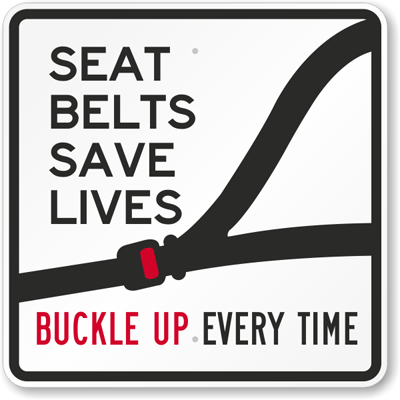
While many may complain that wearing a seat belt is uncomfortable to wear or simply unnecessary for short trips, the fact of the matter is: seat belts save lives. While wearing a seat belt, you can reduce the risk of fatal injury in nearly half. This is a giant return on investment for the two seconds it takes to buckle up.

Here are 10 reasons why you should be wearing a seat belt:

1) It’s The Law – Illinois is the third state in the US to enact a mandatory seat belt law for adults, putting the state at the forefront of traffic safety regulations. It mandates anyone riding in the front of a vehicle to have a seat belt fastened. It also makes it mandatory for any passenger under the age of 19 with an 18-year-old driver to be buckled up. Any passenger under the age of 16 with a driver older than 18 to be buckled up, and any child under the age of 8 to be secured in a child safety seat.

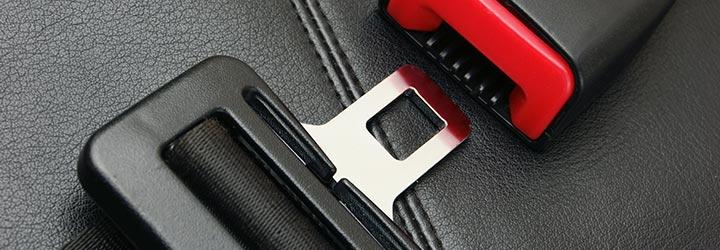
seatbelt

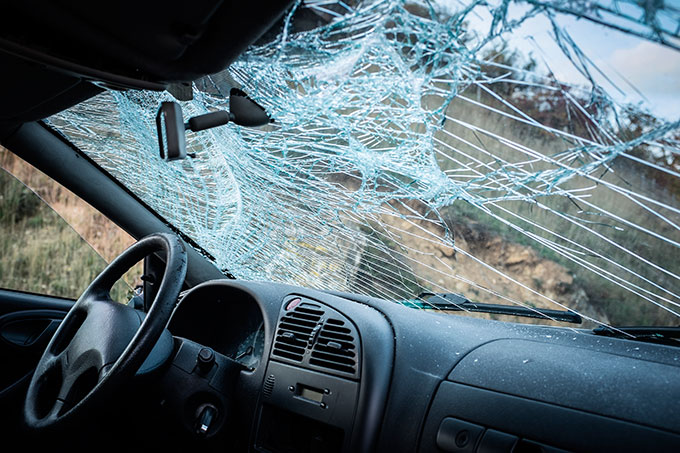
2) Your face is less likely to hit the windshield when wearing a seat belt. If your car is going at a high speed and suddenly stops, a seat belt would prevent the driver from hitting the windshield at the same speed.

3) Wearing your seat belt keeps you from being ejected from your vehicle.

eject through windshield

4) Wearing a seat belt can prevent passengers from crashing into each other. It keeps everyone put and comfortable.

car passengers

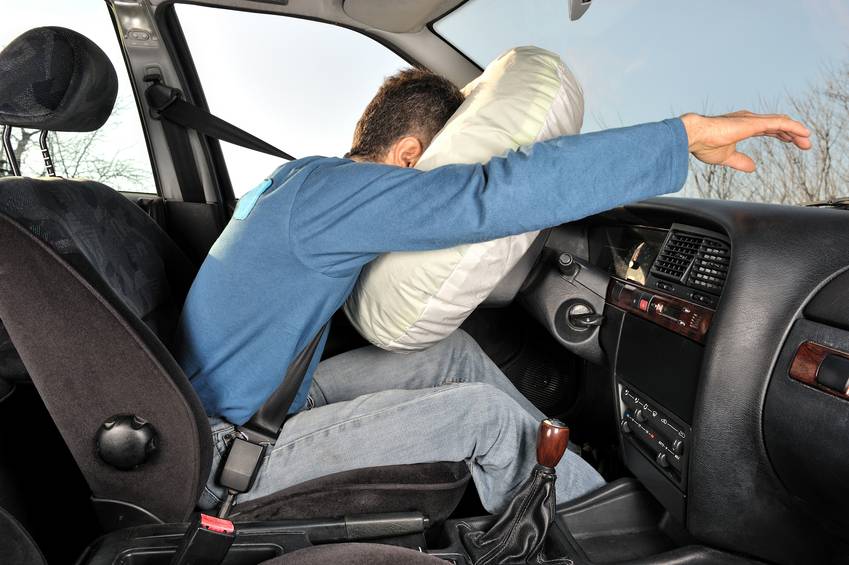
5) Not wearing a seat belt could diminish the effectiveness of airbags. If not buckled up, you can still be thrown out of your car and crash into things. In addition, without your seat belt, your body may not be in a position where your airbag could protect you properly.

airbags

6) Wearing a seat belt could help save your life. In 2016, nearly 15,000 lives were saved due to proper seat belt use. However, 2,500 more lives were lost because they weren’t buckled up.

save lives

7) Despite new safety measures and technologies, seat belts remain a top vehicle safety device.

car safety

8) Wearing a seat belt increases the chances of being unhurt if an accident that results in fire or submersion. Your chances of getting out increase.

car fire or submersion

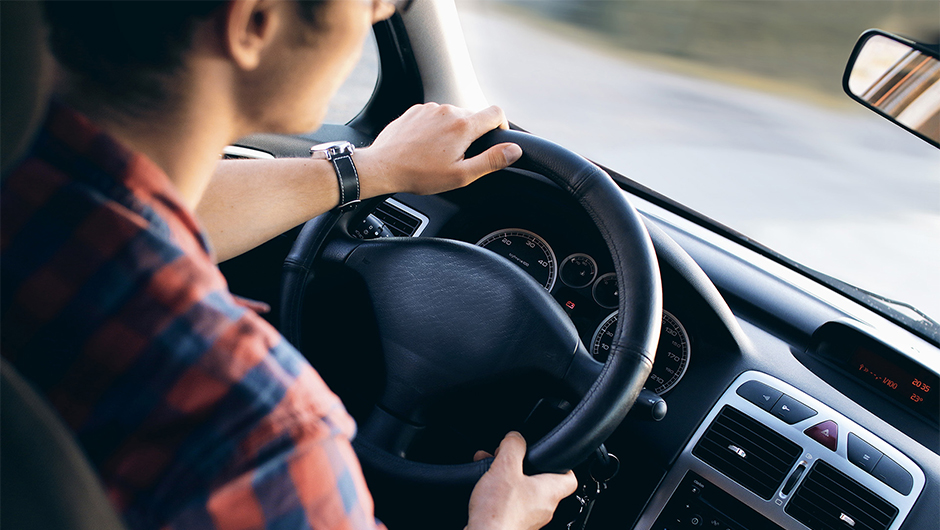
9) Seat belts prevent the driver from shuffling in their seat and hitting the door or steering wheel while driving. Some roads are unpredictable and cause the driver to move around; a seat belt can help prevent that.

staying put when driving

10) Wearing a seat belt can help keep you and your family safe. What else could you ask for?

So, before you say wearing a seat belt makes you uncomfortable, remember the many reasons why buckling up is a positive habit that everyone should have.

Signed,
Amigo Insurance

amigo smile
¿Tiene preguntas? Llámenos

Si tiene alguna pregunta sobre una póliza vigente, cómo pedir una cotización en línea o prefiere obtener su cotización por teléfono, nuestros agentes están listos para ayudarle.

773-847-9000

Visite una de nuestras oficinas

Encuentre un agente local para obtener una cotización gratis o recibir ayuda con su póliza actual.

Encuentre la oficina más cercana

12 cosas que debes hacer antes de comprar una casa

Buying a house is an exciting feat that many people dream of accomplishing at some point in their life. At the same time, it’s probably the largest investment you’ll make.

So, before diving into the world of homeownership here’s a list of steps you should take:

1) Make Your Credit Score Nice and Strong

It’s simple. The lower your credit score is, the higher your monthly payments will be and vice versa. If your credit score is in the low600s or less, you’ll likely pay larger fees and a higher down payment. On the other side, having a 700 or above will result in the best rates on the market.

credit score

2) Get Pre-Approved

Pre-approval ensures that you’ll be able to get a loan so long as your financial situation stays the same (this includes your credit score!) This also helps sellers feel more comfortable selling. It’s better for them to see that you won’t get turned down for a loan further down the line.

3) Understand the Expenses

Above your mortgage, there are plenty of other fees that go along with buying a home. Anything from property taxes, association fees, insurance, and repairs. Be sure that you have the income and budget to cover these things.

4) Know what you want.

With all the excitement of finally getting your own place, it’s easy to forget the many options available. Do you want a house? Front porch and all? Or would you rather get a condo that doesn’t require much maintenance? It’s important to understand your options and what comes along with them. After all, this is a place that you’ll live in for a long time. Make sure that it comfortable meets your lifestyle.

5) Work with realtors familiar with the area, not just the house

Working with a realtor whose familiar with the neighborhood can be very insightful. You won’t only learn about the house itself, but the overall area. You’ll hear of any areas to avoid as well as any additional neighborhood characteristics that you probably want to know before buying. A neighborhood can make or break a deal.

6) Buy what you’re comfortable spending on

You may be approved for a loan far beyond what you expected. Try to be cautious and only use the amount of money you’re comfortable paying. Using the total amount of your approved loan could result in you spreading yourself thin and becoming a slave to your new home.

7) Envision yourself in the home

If the home is still riddled with the previous owner’s things, it can be a little difficult to envision your own life there. Still, try your best to visualize your life in this space. It’s better to think of this now than buy a home and realize it doesn’t fit your needs or lifestyle.

relaxing

8) Get a Reputable Home Inspector

Be sure to find an inspector whose part of the American Society of Home Inspectors (ASHI) If for any reason this is not an option, try someone recommended by your real estate agent. Be sure this person knows what they’re doing and will not purposely miss any important issues to persuade a purchase.

9) Ensure that Any and All Renovations are Up to Code

Check and see if any and all renovations are done were done with a permit. If they weren’t, this could mean the work was not done right. It also means that they were not reviewed by an inspector and could be potentially harmful. It is advised that you ask your seller to get the permits taken care of prior to any purchase. This will save you a big headache should you want to sell yourself.

home renovations

10) Look for Harmful Problems

If the home is in good shape, it shouldn’t have any of these problems. However, if any of these are found, contact the seller and get it professionally conditioned.

Water – Check for any water or precipitation that falls around the property in areas where it shouldn’t. Your roof and pipes should not be leaking.

Asbestos, Mold, and Radon – Asbestos is a mineral fiber that, if not properly conditioned, can result in lung cancer. If you smoke, the chances of getting lung cancer if inhaling asbestos fibers can increase greatly. Mold is another issue that can cause health problems. Even more so if you already suffer from respiratory problems. Any necessary mold remediation should be taken care of by the seller. Radon is an odorless gas that can be found in both the air and water. While getting rid of mold may be easy and inexpensive, removing radon from water can really put a dent in your pocket costing upwards of $4,000.

11) Make Sure the Electric System is up to Standard

If the home you’re looking at was built before the 1930s, you’ll likely have to schedule some work. Current safety codes require modern electric wiring. Many lenders and insurance companies may not work with a buyer if the home has any electrical safety hazards.

12) Don’t Make Any Changes to your Financial Situation

Remember that pre-approval back in step one? That pre-approval is based on your then financial and credit score status. It is the reason you got accepted in the first place. Naturally, any changes that greatly affect your finances can result in a denial of the request. This is especially hard when you already go through the house hunting process and find a house you really love.

Buying a home is an exciting and fulfilling milestone in a person’s life. But, as you can see, it also requires a lot of time and research. All, of course, worth it once the process is over and you’re ready to move into your new home.

Keeping your home and family safe after the move-in, however, is a whole other story. At Amigo Insurance, we offer great rates on homeowner’s insurance. Let help keep your new home, and family, safe.

Signed,
Amigo Insurance

amigo smile
¿Tiene preguntas? Llámenos

Si tiene alguna pregunta sobre una póliza vigente, cómo pedir una cotización en línea o prefiere obtener su cotización por teléfono, nuestros agentes están listos para ayudarle.

773-847-9000

Visite una de nuestras oficinas

Encuentre un agente local para obtener una cotización gratis o recibir ayuda con su póliza actual.

Encuentre la oficina más cercana

Planifique su viaje por carretera: actualice su seguro de automóvil

When it comes to getting ready for a long road trip, there are many things vehicle owners need to think about. This is a good time to get the car tuned up, and the oil changed. It is also a good time to discuss the needs for new tires.

Aside from this, it also pays to invest some time into updating your auto insurance. The simple step of calling your car insurance agent and adjusting your policy may be able to provide you with exceptional benefits and lots of protection.

What You Need to Consider

Before a long trip, speak to your auto insurance agent about your current coverage. Here are a few things to talk about first.

  • Contact your auto insurer. Inquire about added protection your car may benefit from when you travel out of state. Discuss any concerns you may have.
  • Do you have enough insurance to cover your vehicle from collisions, storm damage, theft and vandalism? Now is a good time to invest in comprehensive and collision insurance. These types of coverage can help you
  • You may wish to up your liability insurance. Having the bare minimum insurance is not always enough for high risk driving like this.

Your agent may make suggestions to you as well. The key here is to be sure you have a considerable amount of protection against the most likely risks.

Think About the Extras, Too

There are various ways to customize your auto insurance to better meet your needs. For example, you may wish to choose insurance that also adds towing coverage. That way, you do not have to worry about an accident that leaves you stranded in an area that you are not familiar with.

Discuss the options for added protection for your belongings, too. For example, you may be carrying a great deal of belongings with you. This might include your electronics. It may also include any valuables you purchase on the road. The thing is, your car insurance might not cover these items. You might have to turn to your homeowner’s or renters insurance for protection. Ask your agent how to handle such claims should damage to belongings occur.

Every driver needs to make wise decisions before hitting the road. With auto insurance, it usually takes just a phone call to your agent. He or she will work with you to better understand your needs and goals. You will see just how easy it can be to modify your policy to better fit your goals and the current risks. Call us today for a Chicago auto insurance quote.

¿Tiene preguntas? Llámenos

Si tiene alguna pregunta sobre una póliza vigente, cómo pedir una cotización en línea o prefiere obtener su cotización por teléfono, nuestros agentes están listos para ayudarle.

773-847-9000

Visite una de nuestras oficinas

Encuentre un agente local para obtener una cotización gratis o recibir ayuda con su póliza actual.

Encuentre la oficina más cercana

¡Por qué es buena idea contratar un seguro para inquilinos!

According to the Insurance Information Institute, 95% of homeowners have home insurance. After all, mortgage lenders require it. So, why is it that only 40% of renters buy renters insurance? Unlike homeowners insurance, renters insurance is not always required; but it can without a doubt save you a lot of money and headaches in the long run.

Here are a few reasons why buying renters insurance should be something on your to-do list.

It’s inexpensive.

There’s a common misconception that renters insurance is expensive, leading renters to opt out. However, a renters insurance policy is generally inexpensive. Not only that, but it’s pretty flexible too. Be sure to contact one of our agents or customer service reps to hear about our low rates and coverage.

A renters insurance policy can help pay medical expenses for your guests.

A renters insurance policy can protect you in a variety of cases. Some that you may not have considered before. If you have kids, for example, it is likely that their friends will come over. Should one be accidentally hurt in your apartment, your renters insurance could help pay the medical bills up to the policy’s limit.

It’s 2018, things are more expensive to replace.

Things are not cheap. That great lamp or coffee table you bought two years ago probably costs more than it did when you first got it. In the event of a fire, flood or theft, your renters insurance policy can help pay for replacement cost at their current price. It makes it possible to replace lost or damaged items.

Your policy could help cover hotel expenses after a disaster.

After a flood or fire, the last thing you want to be worrying about is where you’ll stay the night and how you’re going to pay for it. Your renters insurance policy includes «additional living expenses» coverage in the event that your apartment becomes uninhabitable and you need someplace to live temporarily.

Your legal costs can be covered too.

If an accident occurs in your apartment and you are being sued, the liability coverage on your renters policy can help pay your legal costs up to your policy’s limit. Be sure to speak to one of our agents or customer service reps to hear your amount options.

These are only a couple of reasons why renters insurance is a good – great – idea. Not only will you be saving money, but you’ll have some peace of mind knowing that in any case, you’ll be covered.

Call us today at 877-999-2644 for a FREE quote on renters insurance and to hear your options.

¿Tiene preguntas? Llámenos

Si tiene alguna pregunta sobre una póliza vigente, cómo pedir una cotización en línea o prefiere obtener su cotización por teléfono, nuestros agentes están listos para ayudarle.

773-847-9000

Visite una de nuestras oficinas

Encuentre un agente local para obtener una cotización gratis o recibir ayuda con su póliza actual.

Encuentre la oficina más cercana

Seis maneras de reducir los costos de su seguro de automóvil

These days, it seems like everything is getting more and more expensive; cars included. Due to rising vehicle costs, insurance rates often follow suit. And while it doesn’t seem like this trend will end soon, there are many different things you can do to help lower your rates and help you save.

Compare Costs Before Purchasing your Vehicle

Before you buy that shiny, new 2018 model, look into insurance costs. Premiums are partially based on your vehicle’s price, how much it costs to repair or replace it, and safety. For example, did you know that vehicles with high crash test scores ~usually~ get lower rates? Be sure to consider all these elements when it comes to deciding which vehicle to get. However, if you do go for that newer model, know that your insurance costs might land on the higher side.

Shop Around (We can help with that!)

Once you’ve found the perfect vehicle, it’s time to shop around and find the right company. This can be a little intimidating, especially if you’re not familiar with fancy insurance terminology. Luckily, there are companies that can do all the work for you. At Amigo Insurance, for example, our specialized agents can help you find the right policy for the right price. All you have to do is Call Us, Quote Online, or Visit an Office to get a personalized search.

Maintain a Good Credit Score

Maintaining a good credit score should be a no-brainer. Not only does a good credit score affect credit applications, but insurers often use this information when pricing your auto policy. To maintain a good score, be sure to pay your bills on time, keep your credit balances low, and don’t take out any more than you absolutely need.

Purchase your Homeowners and Car Insurance from the Same Company

In some instances, insurers may cut you some slack if you buy more than one policy with them. Similarly, if you insure two or more vehicles with the same company, you may also see a reduction. Be sure to ask your agent about this to confirm it can be applied to your case.

Opt for Higher Deductibles

Deductibles are the amount you have to pay before an insurance policy kicks in. When purchasing your insurance, you can always ask for a higher deductible in order to save down the line. As Investopedia puts it, «the lower the deductible, the higher your annual premium. Conversely, the higher the deductible, the lower the premium». Ask your agent about this option and see if this is something you could benefit from doing.

Get those Discounts!

Oftentimes companies can offer discounts to policyholders who haven’t been in an accident or have had a violation in a certain number of years. In addition, by taking a defensive driving course, insurers can also offer a discount – but if your reason for taking a course is solely for that discount, make sure to ask your agent/company if this is something that’s available.

¿Tiene preguntas? Llámenos

Si tiene alguna pregunta sobre una póliza vigente, cómo pedir una cotización en línea o prefiere obtener su cotización por teléfono, nuestros agentes están listos para ayudarle.

773-847-9000

Visite una de nuestras oficinas

Encuentre un agente local para obtener una cotización gratis o recibir ayuda con su póliza actual.

Encuentre la oficina más cercana

Obtenga una cotización de la manera que prefiera

click

En línea

Comience una cotización

phone

Por teléfono

773-847-9000

in-person

En persona

Encuentre una oficina