5 tareas de mantenimiento del coche que puedes hacer tú mismo

We all try to play the saving game as best as we can. However, when even the smallest of things go wrong with our cars, it’s easier to schedule time at the shop than try to fix it ourselves, costing us quite a bit of money in the process. And while many things should be left to the professionals, there are a couple of tasks that you can easily check or fix at home.

Things You’ll Need

  • Rag or towel
  • Tire Pressure Gauge
  • Receptacle
  • Your Car’s Manual

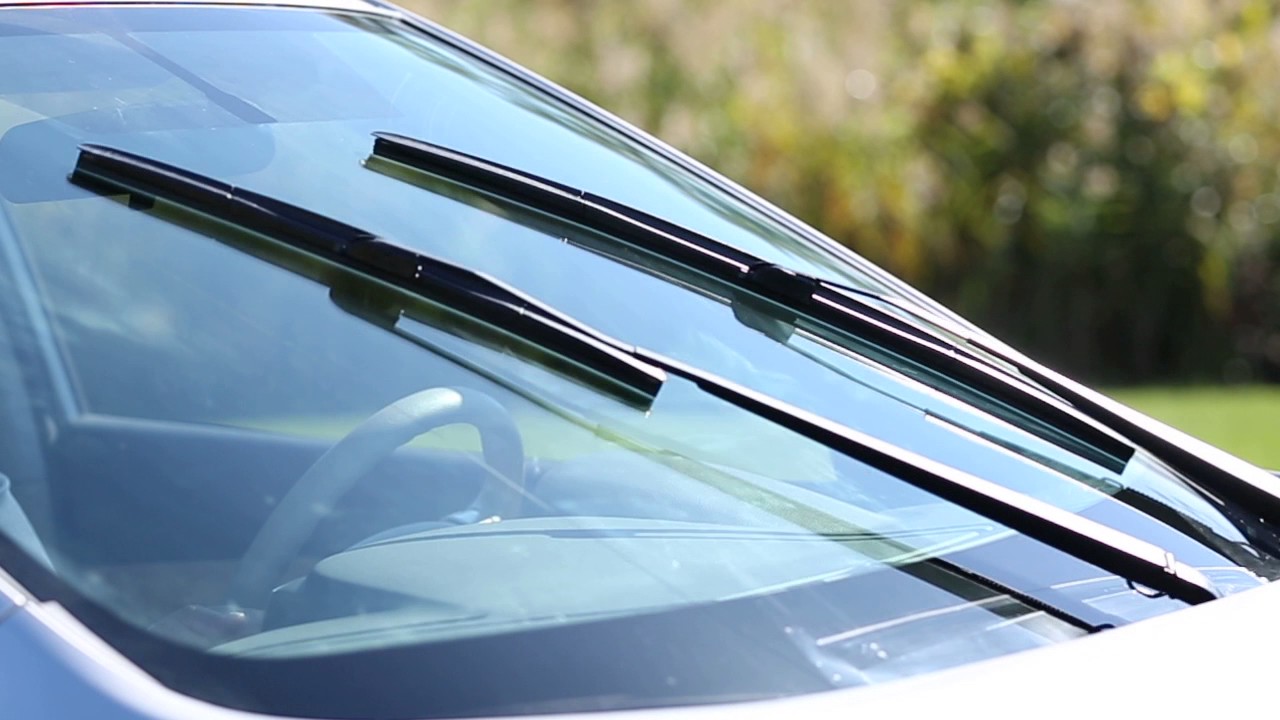
Windshield Wipers

windshield wipers

You don’t need to be a car genius to know how to change your windshield wipers. Blade set-up may differ from car to car so it’s important to check your vehicle’s manual, but it goes something like this:

  1. Lift the blades, similar to when you wash them, and remove old blades.
  2. Be sure to look at how the old blades connect to the metal arms. This so you know how your new ones will be attached.
  3. Find the tab on the underside of the wiper and push to remove old blade.
  4. Attach new blades carefully so as to not bend or scratch your windshield.
  5. Line everything up and make sure they are both secure.
  6. Generally, the packaging for new blades offers additional helpful tips and diagrams in case you’re unsure.

Tire Pressure
tire pressure

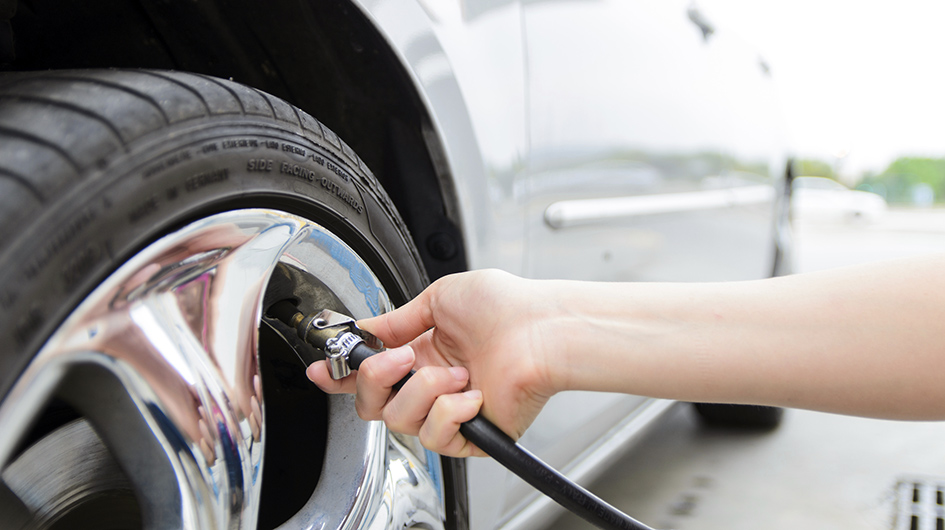
Having correct tire pressure is very important as it helps evenly distribute the weight of your car. When tire pressure is off, due to either under or over-inflating, the tire loses that stability and can negatively impact your car’s stride. When tire pressure is too low, you’ll see a TPMS (Tire Pressure Monitoring System) sensor light up on your dashboard. This means it’s time to check your tires. Luckily, this doesn’t have to break the bank and can easily be done in less than 5 minutes with a basic tire pressure gauge.

  1. First, be sure to check your vehicle’s recommended PSI. This can be found on the inside of the driver’s side doorjamb or in your owner’s manual.
  2. Remove the caps from the tire air valves; place the gauge on the valve creating a solid seal between gauge and valve.
  3. Apply pressure to get a reading. Do this for all four tires.
  4. If the pressure is too low, use an air compressor to add air. These are available at many gas stations. Ensure that you add air to match your vehicle’s PSI.
  5. If you overfill your tires, use the back end of pin to remove any extra air.

Fluid Levels
fluid levels

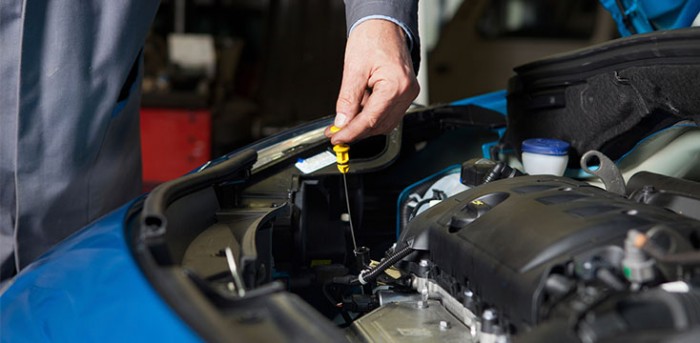
Don’t let the sight of your engine or fancy car terminologies intimidate you. Checking your vehicle’s fluid levels can be quite easy and time effective. As a general rule, a fluid level check is recommended every 1-2 months. To check any fluids under your hood, be sure to park your car in a flat, well-lit area and let the engine cool for about 20 to 25 minutes.

Check Your Oil

oil-splash
  1. Identify the dipstick. This is a long, thin rod with a ring or handle at the top. Not to be confused with your transmission fluid dipstick. As always, refer to your owner’s manual to be sure.
  2. Pull the dipstick all the way out, wipe it with a rag or towel and reinsert. This will ensure a better reading of the fluid level.
  3. After a couple of minutes, pull the dipstick out once more and check if the oil level is near the FULL line.
  4. If not, add more oil. Your manual will state what kind of oil is best for your vehicle.
  5. Be sure to never overfill the oil reservoir.
  6. To add oil, simply locate the reservoir, remove the cap and use a funnel to add. Wipe any excess or spilled oil with a rag or towel. Place the cap securely on the reservoir and recheck your levels.
  7. If you notice that your oil is black or brown and not clear light brown and shiny, you might need to go get your oil changed professionally.
  8. For a helpful graphic, click here.

Check Your Windshield Wiper Fluid

automotive-wiper-fluid2-512
  1. Find the windshield wiper fluid reservoir. This is usually a white plastic container or tube with the picture of a windshield. You can find the exact location of this reservoir in your manual.
  2. If the level is lower than the FILL line, remove the cap and add the appropriate fluid with a funnel. Do not add water.
  3. Be sure to close the lid securely once you’re finished.

Flush a Radiator
radiator flush

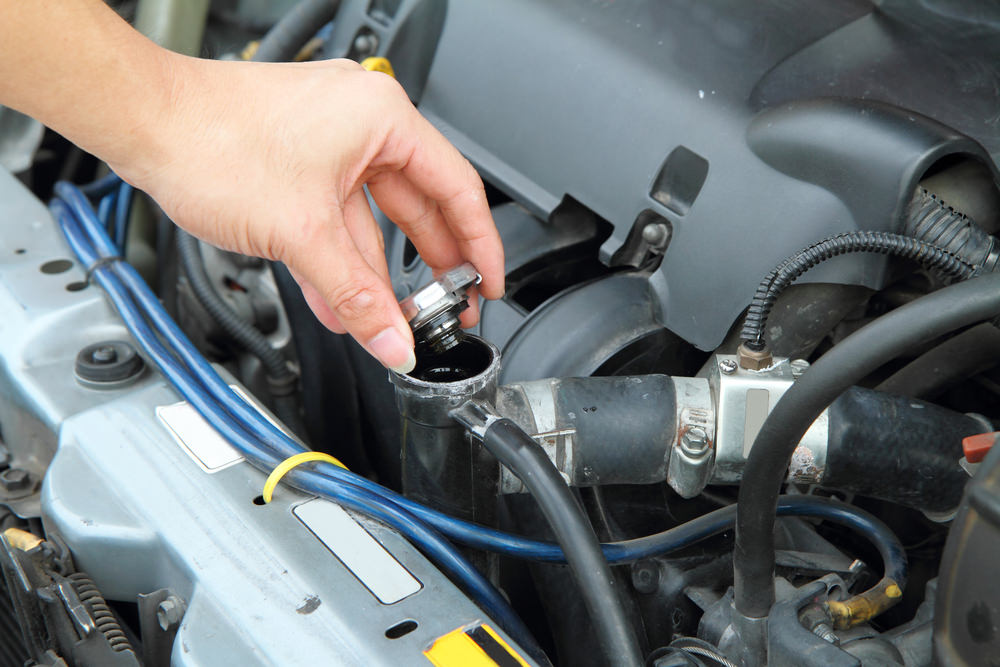
Keeping a radiator from overheating is essential. Unfortunately, over time, sludge can build up inside the generator making your coolant less effective. In turn, this can negatively affect your engine’s performance and mileage. A coolant service is generally recommended every 30,000 miles or five years. However, it’s always important to check your owner’s manual for your vehicle’s recommended specifications. Here’s how that goes:

  1. Make sure your engine is cool. This will prevent any injury should you make any contact with the engine. A good time to work is two hours after your vehicle’s been last used.
  2. Locate your vehicle’s radiator drain plug. Place a coolant receptacle under the drain and unscrew the plug. Allow the coolant to drain into the receptacle.
  3. Replace drain plug and remove the radiator cap. With a funnel, add radiator flush cleaning solution to the radiator and fill the rest with water.
  4. Replace and tighten the cap. Start your car, turn your heater on to the hottest setting, then let cool for about 10 -15 minutes. After those minutes are up, turn your car off and wait for your car engine to cool.
  5. After your engine has cooled back down, unscrew the drain plug and empty its contents into your receptacle.
  6. Replace drain plug. With your funnel, fill the radiator with 50% coolant and 50% water. Tighten all caps and voila!

Jump Start Your Car
jumpstarter

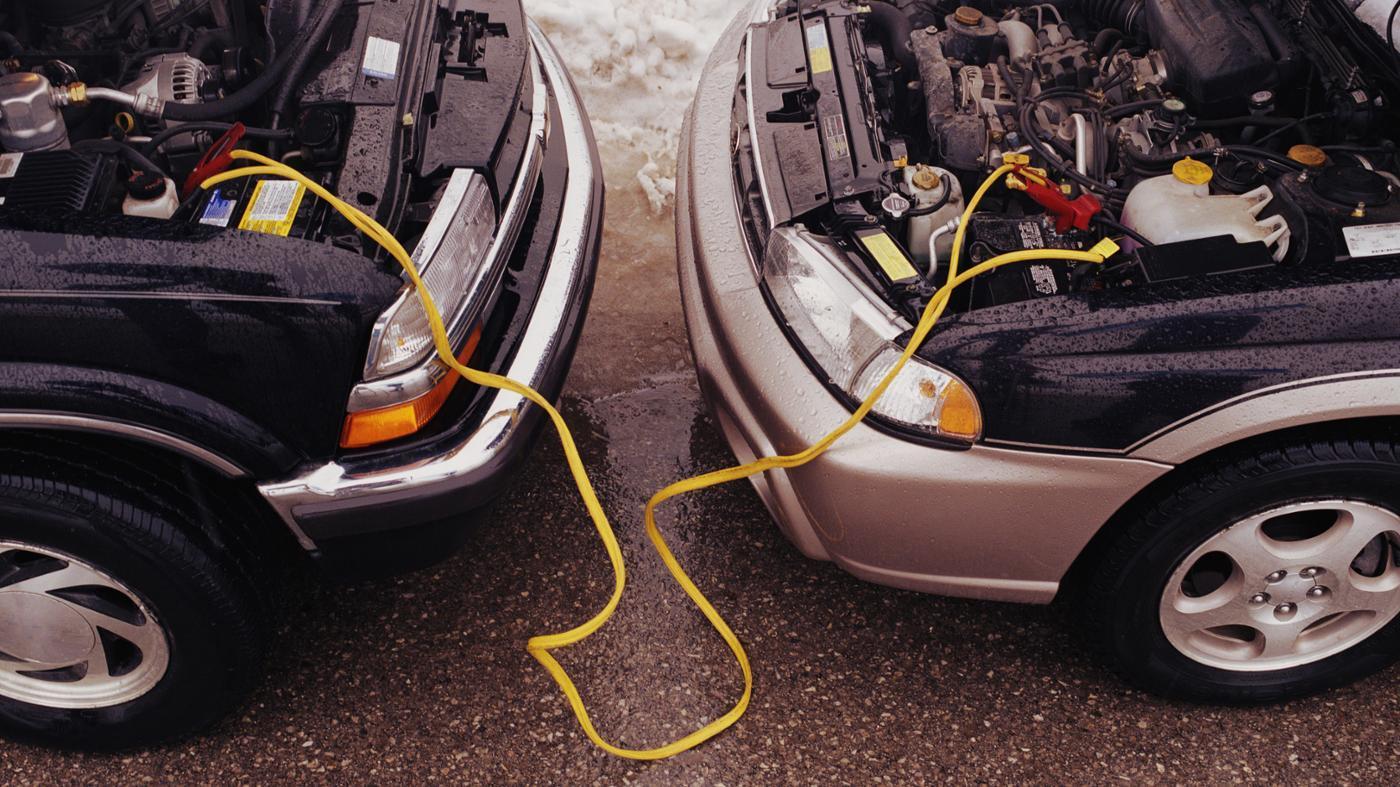
Knowing how to jump-start a car is an essential roadside know-how. In many cases, it can not only help you get back on the road but also help be a good Samaritan by knowing how to help other drivers in need.

  1. Have a friend or family member offer to help. Have them drive the good car up to your car so batteries are as close as possible.
  2. Attach the red positive cable to the good car battery terminal, then attach the other red positive cable to your car’s battery terminal.
  3. Attach the black negative cable to the good car battery, then ground the car by attaching the other black negative to a solid, unpainted metal surface on your car (a bolt, for example) as far away from the battery as possible. Avoid any moving parts in the engine.
  4. Start the good car first and wait 2 minutes. Then, start your car and wait for 2 minutes.
  5. Remove the cables in the reverse order they were attached in.
  6. Let your car run for 2 more minutes then hit the road!
  7. For a helpful diagram, click here.

Simple as many of these steps may be, be sure to recognize when something is out of your capabilities or knowledge. If you’re unsure of how to proceed, take your care to a professional and avoid any further damage.

Signed,
Amigo Insurance

amigo smile
¿Tiene preguntas? Llámenos

Si tiene alguna pregunta sobre una póliza vigente, cómo pedir una cotización en línea o prefiere obtener su cotización por teléfono, nuestros agentes están listos para ayudarle.

773-847-9000

Visite una de nuestras oficinas

Encuentre un agente local para obtener una cotización gratis o recibir ayuda con su póliza actual.

Encuentre la oficina más cercana

12 cosas que debes hacer antes de comprar una casa

Buying a house is an exciting feat that many people dream of accomplishing at some point in their life. At the same time, it’s probably the largest investment you’ll make.

So, before diving into the world of homeownership here’s a list of steps you should take:

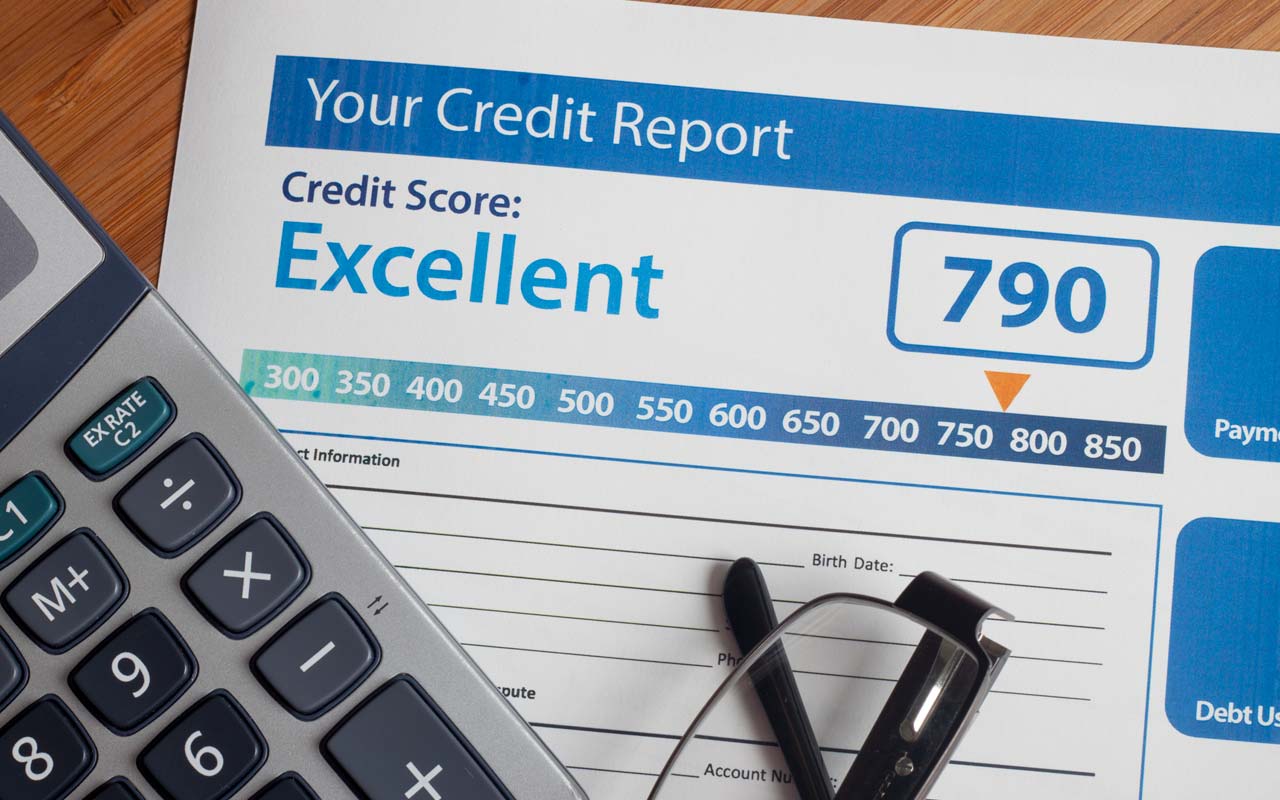
1) Make Your Credit Score Nice and Strong

It’s simple. The lower your credit score is, the higher your monthly payments will be and vice versa. If your credit score is in the low600s or less, you’ll likely pay larger fees and a higher down payment. On the other side, having a 700 or above will result in the best rates on the market.

credit score

2) Get Pre-Approved

Pre-approval ensures that you’ll be able to get a loan so long as your financial situation stays the same (this includes your credit score!) This also helps sellers feel more comfortable selling. It’s better for them to see that you won’t get turned down for a loan further down the line.

3) Understand the Expenses

Above your mortgage, there are plenty of other fees that go along with buying a home. Anything from property taxes, association fees, insurance, and repairs. Be sure that you have the income and budget to cover these things.

4) Know what you want.

With all the excitement of finally getting your own place, it’s easy to forget the many options available. Do you want a house? Front porch and all? Or would you rather get a condo that doesn’t require much maintenance? It’s important to understand your options and what comes along with them. After all, this is a place that you’ll live in for a long time. Make sure that it comfortable meets your lifestyle.

5) Work with realtors familiar with the area, not just the house

Working with a realtor whose familiar with the neighborhood can be very insightful. You won’t only learn about the house itself, but the overall area. You’ll hear of any areas to avoid as well as any additional neighborhood characteristics that you probably want to know before buying. A neighborhood can make or break a deal.

6) Buy what you’re comfortable spending on

You may be approved for a loan far beyond what you expected. Try to be cautious and only use the amount of money you’re comfortable paying. Using the total amount of your approved loan could result in you spreading yourself thin and becoming a slave to your new home.

7) Envision yourself in the home

If the home is still riddled with the previous owner’s things, it can be a little difficult to envision your own life there. Still, try your best to visualize your life in this space. It’s better to think of this now than buy a home and realize it doesn’t fit your needs or lifestyle.

relaxing

8) Get a Reputable Home Inspector

Be sure to find an inspector whose part of the American Society of Home Inspectors (ASHI) If for any reason this is not an option, try someone recommended by your real estate agent. Be sure this person knows what they’re doing and will not purposely miss any important issues to persuade a purchase.

9) Ensure that Any and All Renovations are Up to Code

Check and see if any and all renovations are done were done with a permit. If they weren’t, this could mean the work was not done right. It also means that they were not reviewed by an inspector and could be potentially harmful. It is advised that you ask your seller to get the permits taken care of prior to any purchase. This will save you a big headache should you want to sell yourself.

home renovations

10) Look for Harmful Problems

If the home is in good shape, it shouldn’t have any of these problems. However, if any of these are found, contact the seller and get it professionally conditioned.

Water – Check for any water or precipitation that falls around the property in areas where it shouldn’t. Your roof and pipes should not be leaking.

Asbestos, Mold, and Radon – Asbestos is a mineral fiber that, if not properly conditioned, can result in lung cancer. If you smoke, the chances of getting lung cancer if inhaling asbestos fibers can increase greatly. Mold is another issue that can cause health problems. Even more so if you already suffer from respiratory problems. Any necessary mold remediation should be taken care of by the seller. Radon is an odorless gas that can be found in both the air and water. While getting rid of mold may be easy and inexpensive, removing radon from water can really put a dent in your pocket costing upwards of $4,000.

11) Make Sure the Electric System is up to Standard

If the home you’re looking at was built before the 1930s, you’ll likely have to schedule some work. Current safety codes require modern electric wiring. Many lenders and insurance companies may not work with a buyer if the home has any electrical safety hazards.

12) Don’t Make Any Changes to your Financial Situation

Remember that pre-approval back in step one? That pre-approval is based on your then financial and credit score status. It is the reason you got accepted in the first place. Naturally, any changes that greatly affect your finances can result in a denial of the request. This is especially hard when you already go through the house hunting process and find a house you really love.

Buying a home is an exciting and fulfilling milestone in a person’s life. But, as you can see, it also requires a lot of time and research. All, of course, worth it once the process is over and you’re ready to move into your new home.

Keeping your home and family safe after the move-in, however, is a whole other story. At Amigo Insurance, we offer great rates on homeowner’s insurance. Let help keep your new home, and family, safe.

Signed,
Amigo Insurance

amigo smile
¿Tiene preguntas? Llámenos

Si tiene alguna pregunta sobre una póliza vigente, cómo pedir una cotización en línea o prefiere obtener su cotización por teléfono, nuestros agentes están listos para ayudarle.

773-847-9000

Visite una de nuestras oficinas

Encuentre un agente local para obtener una cotización gratis o recibir ayuda con su póliza actual.

Encuentre la oficina más cercana

Qué hacer si te detienen

Getting pulled over by the police, even for the slightest infraction, can be an uncomfortable and emotional ordeal. Especially for those who have never been pulled over in the past, and are unsure of how to act. In any case, there are a few things that any driver should know should they be stopped.

  • As soon as you see police lights or hear the car’s siren, turn your emergency flashers on. This will help let other drivers know that you are the driver who is being pulled over. It will also let everyone know that you are slowing down.
  • Try your best to find a safe location to park. If you are on a highway, there is usually a good amount of space to accommodate two vehicles. Never pull on the left side of the road.
  • Once you’ve found a safe place to park, turn off your ignition. Don’t do anything that could be perceived as trying to get away.
  • If you’ve been pulled over by a marked police car, roll down your window immediately. If you’ve been pulled over by an unmarked police car, wait until the officer approaches your vehicle and shows his credentials.
  • Don’t worry if it takes a couple of minutes for the officer to step out of his car. They are likely getting information about your car or communicating with other officers. Do not get out of your vehicle.
  • When you begin communicating with the officer, remain calm, and be respectful. If you are not sure of the reason why you are being stopped, do not become defensive.
  • The police officer will ask for your license, registration and insurance policy. Let the officer know where it is before retrieving it. It’s a bad idea to start searching through your pocket or glove compartment until you are asked. The office may take this as you searching for a weapon.
  • Be sympathetic and apologetic. If you got pulled over for speeding, for example, let the officer know you’re sorry for going over the limit and that you understand the consequences that go along with that. The officer may be easier on you if you state that you understand.
  • Don’t argue or beg if you get a traffic ticket. Arguing or getting defensive could get you a lot worse. If you are only given a warning, be sure to thank the officer for understanding. If you are given a verbal warning, tell the officer you will correct your driving. Remember to be respectful, even if you get a ticket.
  • Once the officer has returned to his vehicle, carefully return to the road and go on your way.

Let’s face it, no one wants to be pulled over. But even when stuck in this situation, there are ways to make it less unpleasant. Always remember to listen and be respectful. If your traffic infraction or driving record isn’t too spotty, you may be able to get off with a warning.

Signed,
Amigo Insurance

amigo smile
¿Tiene preguntas? Llámenos

Si tiene alguna pregunta sobre una póliza vigente, cómo pedir una cotización en línea o prefiere obtener su cotización por teléfono, nuestros agentes están listos para ayudarle.

773-847-9000

Visite una de nuestras oficinas

Encuentre un agente local para obtener una cotización gratis o recibir ayuda con su póliza actual.

Encuentre la oficina más cercana

Peligros primaverales para propietarios y conductores: ¡asegúrese de estar preparado!

April showers might bring May flowers but spring weather, in general, can bring about a whole new set of problems too. Many of them hitting you where it hurts most: your wallet.

Sure, while the weather is a lot nicer, warm spring temperatures help melt away any excess snow and reveal the damage caused by long and icy winters. Not to mention the floods and hail that typically come with the season.

Fortunately, if you’re aware of the common seasonal risks, you can plan accordingly and check to see if you’re covered.

Potholes

Potholes are holes in the pavement caused by the presence of water in the underlying soil structure. Water under the soil structure can weaken the pavement and, as cars and trucks pass over these weak spots, cause the material to become cracked or break down from the weight thus creating a hole. With spring showers to come, the probability of potholes grows. And while dodging them left and right is possible, it’s certainly not the safest way to drive. In addition, hitting potholes can result in the misalignment of your wheels and can affect your steering.

Flooding

What’s Spring without a little rain? Mix a couple of thunderstorms with any leftover melting snow and you’ve got yourself a recipe for flooding. Flooding can affect the structure of your home, your belongings, and even your family if not taken care of properly.

Hail

Springtime hail storms can do a lot of damage to both homes and cars. This damage, of course, depending on the size of the hail. Unfortunately, it’s never easy to tell what size will fall so it’s important to know if you’re covered. Hail can easily damage roof shingles and sidings, windows and more.

Ice Dams

When snow or rain falls, melts and refreezes on a roof, ice shingles can form a sort of dam that causes snowmelt or rainwater to back up. These backups can result in water leaking into your home and ruining your walls and other surfaces. Makes sure to check your roof to ensure you don’t have any dams.

Cracked Concrete

When facing a snowy winter, the use of salt or sand to melt away any snow is common. However, when the snow has melted away, you may find unsightly cracks in your driveway. While this is more of a wear-and-tear issue, if you’re one to worry about your curb appeal, this is a problem that you’ll likely face once it’s warmer out.

Spring brings a lot of great things: longer days, warmer weather, and lots of colors. A great break from a dreary and gray winter. However, if not prepared, the new season can also be a whole new headache. Call an Amigo Insurance agent today and learn how we can help make this spring and easy one.

Signed,
Amigo Insurance

amigo smile
¿Tiene preguntas? Llámenos

Si tiene alguna pregunta sobre una póliza vigente, cómo pedir una cotización en línea o prefiere obtener su cotización por teléfono, nuestros agentes están listos para ayudarle.

773-847-9000

Visite una de nuestras oficinas

Encuentre un agente local para obtener una cotización gratis o recibir ayuda con su póliza actual.

Encuentre la oficina más cercana

Cómo cambiar una llanta ponchada

You’re driving to an important meeting or doctors appointment when you hear that awful flapping noise coming from your back tire. Looks like you’ve got a flat.

Getting a flat tire is something that’s bound to happen to almost every driver. In fact, according to statistics, every driver will experience an average of 5 flat tires in their lifetime. What’s worse is that it always seems to happen at the worst possible moment.

Fortunately, you don’t have to go it alone. Changing a tire is a simple process that can be done in 15-30 minutes depending on experience. All you need is a couple of tools that you might already have in your car. If you don’t, they can be found at your local auto parts supplier at inexpensive prices.

So, before you pick up the phone and call a tow truck, see if you can change the tire yourself.

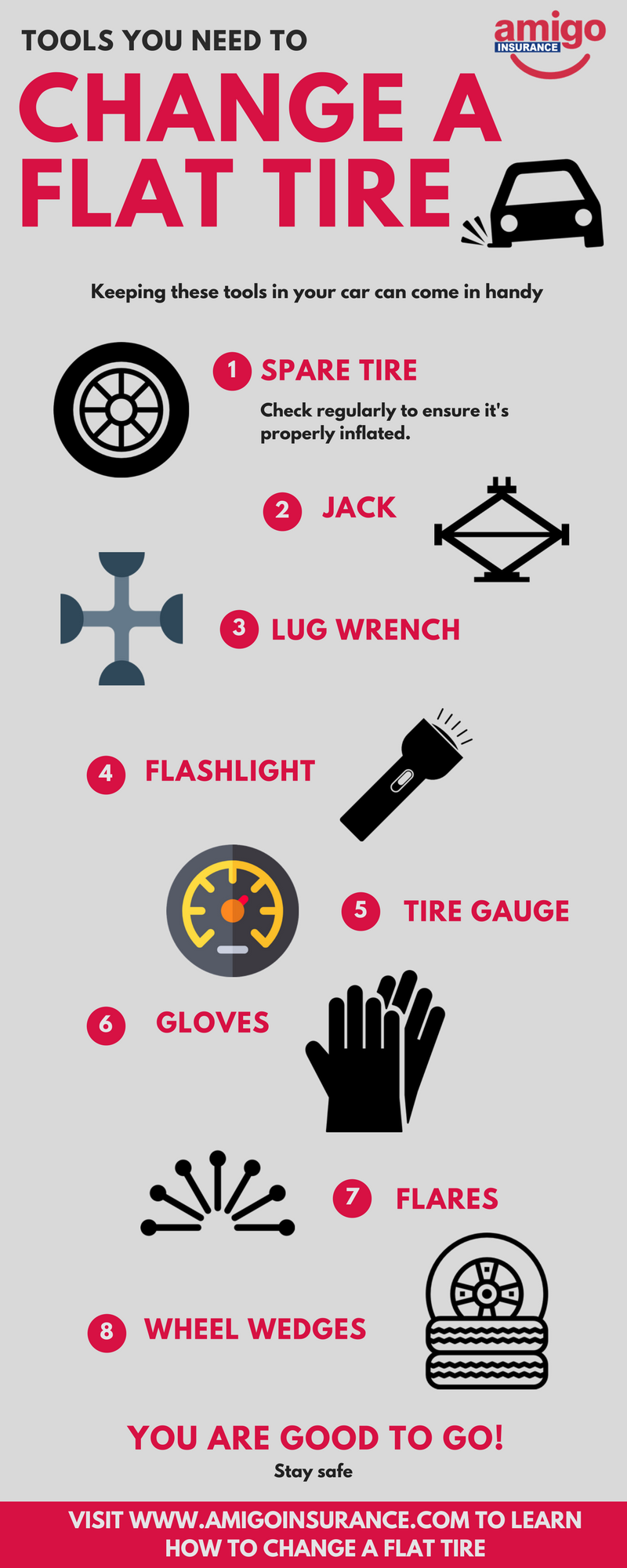
Tools You’ll Need

  • Spare Tire (TIP – check your spare regularly and ensure it’s properly inflated)
  • Jack
  • Lug Wrench
  • Flashlight
  • Tire Gauge
  • Gloves
  • Flares or Reflective Triangles
  • Wheel Wedges
  • Owner’s Manual
act like a car
  • Step One: Find a safe spot to pull into. If a tire blows out whilst on the road, turn your hazard lights on and pull into a safe space. If you’re on a busy street or highway, try to pull away from traffic as far away as possible. Suitable areas include parking lots, the shoulder of an off-ramp or a straight, flat, side street. Try to avoid any areas at an incline.
  • Step Two: Once in a safe area, make sure your parking brake is engaged and get your tools and spare ready to use.
  • Step Three: If on hand, use flares or reflective triangles on the back of your vehicle. These are particularly handy if you get a flat tire in the late afternoon or night. They will let other drivers know that a vehicle has stopped.
  • Step Four: Use the wheel wedges and place them against the tires on the opposite side of the flat. This will help make sure that the vehicle is secure while you use the jack.
  • Step Five: Remove the hubcap. If the lug nuts are exposed, you don’t have to do this step. Using the flat end of the lug wrench, remove the wheel cover.
  • Step Six: Loosen the lug nuts with the lug wrench. Do Not Remove.
  • Step Seven: Move jack under your car.
  • Step Eight: Carefully expand the jack until the flat tire is about 5-6 inches off ground. Remember not to place any part of your body under the vehicle. A fault in the jack could result in serious injury if not careful.
  • Step Nine: Unscrew and remove lug nuts. Be careful not to lose them as you’ll need them once the spare is on.
  • Step Ten: Remove the flat tire from the hub by placing two hands firmly on the tire and pulling towards you.
  • Step Eleven: Align your spare tire with the exposed lug bolts and push them into place.
  • Step Twelve: Replace the lug nuts with your hands. Don’t use the wrench until after your vehicle has been lowered.
  • Step Thirteen: Lower the jack until the spare tire touches the ground safely. Once on the ground, remove the jack.
  • Step Fourteen: Using the lug wrench, tighten the lug nuts. Make sure they are tightly secured.
  • Step Fifteen: Replace the hubcap or wheel cover.
  • Step Sixteen: Remove wheel wedges from the tires you previously placed them on.
  • Step Seventeen: If you have a tire gauge, check the spare tire’s pressure. If it does not match your vehicle’s PSI, drive to your nearest gas station and fill accordingly.

Keep in mind that it’s not advised to go long periods of time on a spare tire. It’s recommended you take your flat tire to a repair shop and get it replaced or repaired.

While changing your own tire can certainly save you a couple of bucks, safety should always be your number one priority. Consider the weather, location or tool condition when deciding if you should do it yourself or call for help.

Signed,
Amigo Insurance

amigo smile
¿Tiene preguntas? Llámenos

Si tiene alguna pregunta sobre una póliza vigente, cómo pedir una cotización en línea o prefiere obtener su cotización por teléfono, nuestros agentes están listos para ayudarle.

773-847-9000

Visite una de nuestras oficinas

Encuentre un agente local para obtener una cotización gratis o recibir ayuda con su póliza actual.

Encuentre la oficina más cercana

Por qué debe llevar un registro de mantenimiento

We’re all busy people with a lot of things on our minds. While we can convince ourselves that our memories won’t fail us, it’s easier said than done. Remembering is especially important when it comes to our vehicle’s maintenance.

Do you remember the last time your car got a tune-up or oil change?

Unlike filling our tank or washer fluid, certain services are done months apart making it harder to remember the last time you went to a mechanic. Plus, with all the other things going on in our lives, these items can go over our heads very easily.

Keeping tabs on the work being done on your car can be really helpful. It can help you prepare for the future and know when your next trip to the shop should be. Additionally, knowing when your next service is due can help you avoid any inconvenient experience and save you a lot of money in the long run too!

An easy solution? Keep a maintenance log in your car.

A maintenance log is a small notebook, pad or sheet where you can record the services being done to your car. Try to get a something small or foldable that can fit in your glove compartment. If you have a notebook, place a pen in the spirals so you always have something to write with. Even if you only have a sheet of paper, make sure you always keep something to write with nearby.

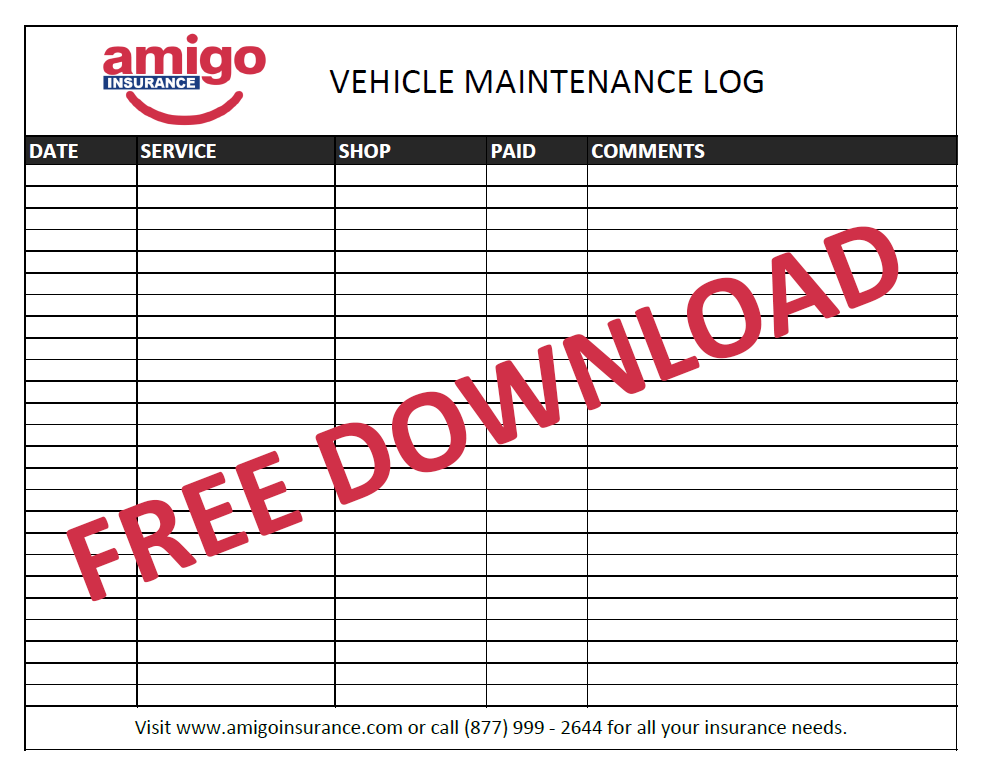
While there are many maintenance log notebooks available for purchase online, we’ve included a FREE downloadable log for you to print and use. Click here to download.

Here’s how to fill it out:

  • Date – Add the date in which you went to get work done.
  • Service – Write out any service performed that day.
  • Shop – Write out which mechanic or garage you went to.
  • Paid – Write how much you paid for a service. TIP: If you decide to try out different mechanics or shops, this column can help you compare prices down the line.
  • Comments – Write any important comments or reminders. Here is where you should write when your next visit should be.

Example:

Date

Service

Shop

Paid

Comments

3/21/18

Oil Change

Amigo Repairs

$30

Next change at 50,000 miles

Now that you’re ready to get organized, you no longer have to stare blankly at the mechanic when he asks when your last tune-up was.

Signed,
Amigo Insurance

amigo smile
¿Tiene preguntas? Llámenos

Si tiene alguna pregunta sobre una póliza vigente, cómo pedir una cotización en línea o prefiere obtener su cotización por teléfono, nuestros agentes están listos para ayudarle.

773-847-9000

Visite una de nuestras oficinas

Encuentre un agente local para obtener una cotización gratis o recibir ayuda con su póliza actual.

Encuentre la oficina más cercana

Cómo preparar tu auto para la primavera

While it looks like spring is still a couple more weeks away, there’s no reason why you shouldn’t start planning your car’s clean up. Here are a couple of tips that will help you start the season safe and in style.

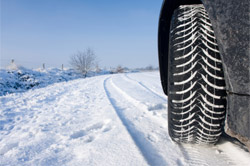
1) Remove your winter tires. Winter tires are made with a unique compound that creates traction on icy roads. This compound can be easily damaged by the heat during hotter seasons, leaving your tires unsafe to use when it’s winter once again.

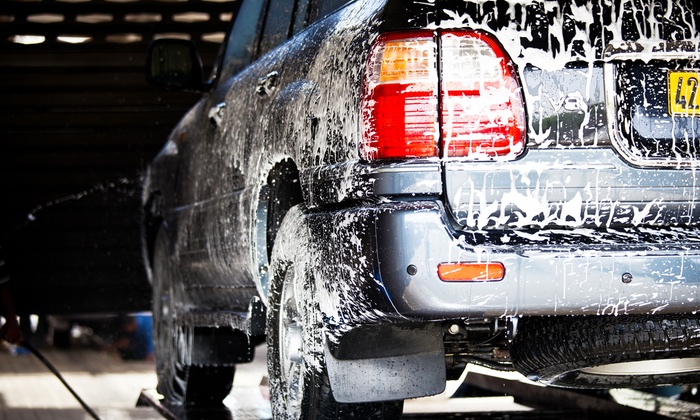
2) Wash your car. After months of driving on salty roads, ice and snow, your car deserves a little sprucing up. Wash your vehicle outside on a nice day or take it to your choice of car was to scape off any excess salt, mud, or grime. If possible, finish with a car wax to help seal the paint and add a new, shiny coat.

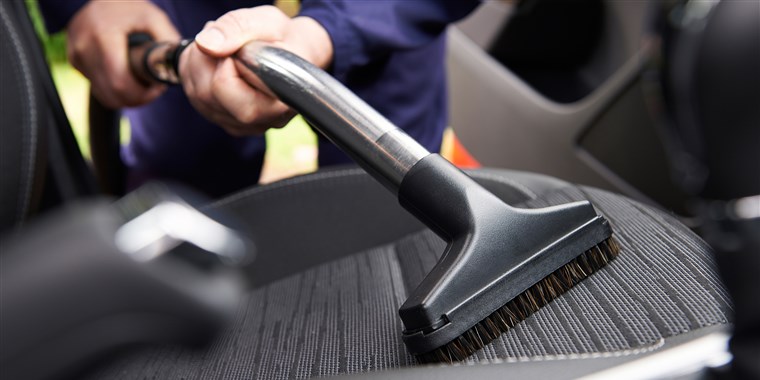
3) Detail, detail, detail. The outside of your car isn’t the only place needing a little TLC. Your car’s interior is equally important. During the winter months, car mats are covered with road salt, carpets are grimy, and dashboards hide behind a layer of dust. Make sure to vacuum your floors, hose down mats with a pressure washer, and thoroughly clean fabrics and carpets.

clean-car-vacuum-today-170814-tease_f7eaee7d164196b0f45af06da1846944.focal-760x380

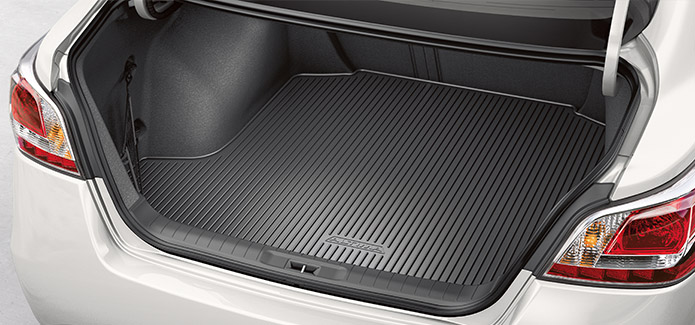
4) Clean our your trunk. It’s often easier to toss all our auto winter gear in the trunk. However, unless something is needed year-round, it’s a good idea to clean out any winter tools that are just taking up space. This won’t only give you more room to store summer things but lighten up the carload too.

5) Take your car in for service. No better time than spring to take your car for a general maintenance check. After driving in harsh winter conditions for months, your car may need a quick tune-up to get back into shape. Be sure to check your headlights/taillights, replace damaged wiper blades, and check tire alignments.

mot-test

So, there you have it. Winter may not want to go away, but planning in advance never hurt anyone. Especially when it comes to making sure your car is in excellent condition and road ready.

¿Tiene preguntas? Llámenos

Si tiene alguna pregunta sobre una póliza vigente, cómo pedir una cotización en línea o prefiere obtener su cotización por teléfono, nuestros agentes están listos para ayudarle.

773-847-9000

Visite una de nuestras oficinas

Encuentre un agente local para obtener una cotización gratis o recibir ayuda con su póliza actual.

Encuentre la oficina más cercana

¡Por qué es buena idea contratar un seguro para inquilinos!

According to the Insurance Information Institute, 95% of homeowners have home insurance. After all, mortgage lenders require it. So, why is it that only 40% of renters buy renters insurance? Unlike homeowners insurance, renters insurance is not always required; but it can without a doubt save you a lot of money and headaches in the long run.

Here are a few reasons why buying renters insurance should be something on your to-do list.

It’s inexpensive.

There’s a common misconception that renters insurance is expensive, leading renters to opt out. However, a renters insurance policy is generally inexpensive. Not only that, but it’s pretty flexible too. Be sure to contact one of our agents or customer service reps to hear about our low rates and coverage.

A renters insurance policy can help pay medical expenses for your guests.

A renters insurance policy can protect you in a variety of cases. Some that you may not have considered before. If you have kids, for example, it is likely that their friends will come over. Should one be accidentally hurt in your apartment, your renters insurance could help pay the medical bills up to the policy’s limit.

It’s 2018, things are more expensive to replace.

Things are not cheap. That great lamp or coffee table you bought two years ago probably costs more than it did when you first got it. In the event of a fire, flood or theft, your renters insurance policy can help pay for replacement cost at their current price. It makes it possible to replace lost or damaged items.

Your policy could help cover hotel expenses after a disaster.

After a flood or fire, the last thing you want to be worrying about is where you’ll stay the night and how you’re going to pay for it. Your renters insurance policy includes «additional living expenses» coverage in the event that your apartment becomes uninhabitable and you need someplace to live temporarily.

Your legal costs can be covered too.

If an accident occurs in your apartment and you are being sued, the liability coverage on your renters policy can help pay your legal costs up to your policy’s limit. Be sure to speak to one of our agents or customer service reps to hear your amount options.

These are only a couple of reasons why renters insurance is a good – great – idea. Not only will you be saving money, but you’ll have some peace of mind knowing that in any case, you’ll be covered.

Call us today at 877-999-2644 for a FREE quote on renters insurance and to hear your options.

¿Tiene preguntas? Llámenos

Si tiene alguna pregunta sobre una póliza vigente, cómo pedir una cotización en línea o prefiere obtener su cotización por teléfono, nuestros agentes están listos para ayudarle.

773-847-9000

Visite una de nuestras oficinas

Encuentre un agente local para obtener una cotización gratis o recibir ayuda con su póliza actual.

Encuentre la oficina más cercana

¿Cuántos kilómetros puedes conducir con el tanque vacío?

It’s very likely that you’ve seen your low fuel warning light on your dash at some point or another. Unfortunately, for various cars, once the light turns on, you’re unable to read just how much is left and if you’ll be able to make it to the nearest gas station.

Luckily, YourMechanic made a list of the 50 best-selling cars in the US and approximately how many miles each car has before it actually runs out of gas. So, while it’s never recommended to let your gas run dangerously low, it’s likely that you’ll make it to your location on your reserve.

Is your car on the list?

gallery-1473704534-isthetankreallyemptytho
¿Tiene preguntas? Llámenos

Si tiene alguna pregunta sobre una póliza vigente, cómo pedir una cotización en línea o prefiere obtener su cotización por teléfono, nuestros agentes están listos para ayudarle.

773-847-9000

Visite una de nuestras oficinas

Encuentre un agente local para obtener una cotización gratis o recibir ayuda con su póliza actual.

Encuentre la oficina más cercana

Cómo recargar su aire acondicionado

The weather is warmer and the sun is stronger – this means you’ll likely be turning on your car’s air conditioner again after a long winter. But what happens when your system starts to lose power and you no longer feel a burst of cold air? It might be time to recharge your A/C.

What you’ll need:

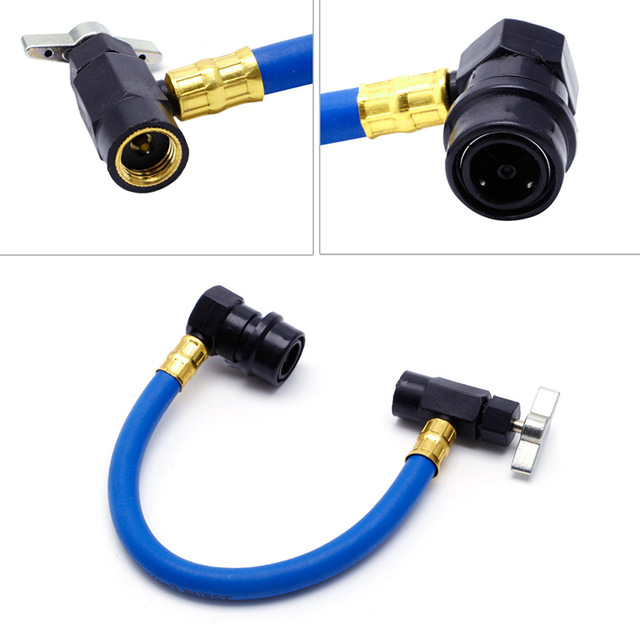
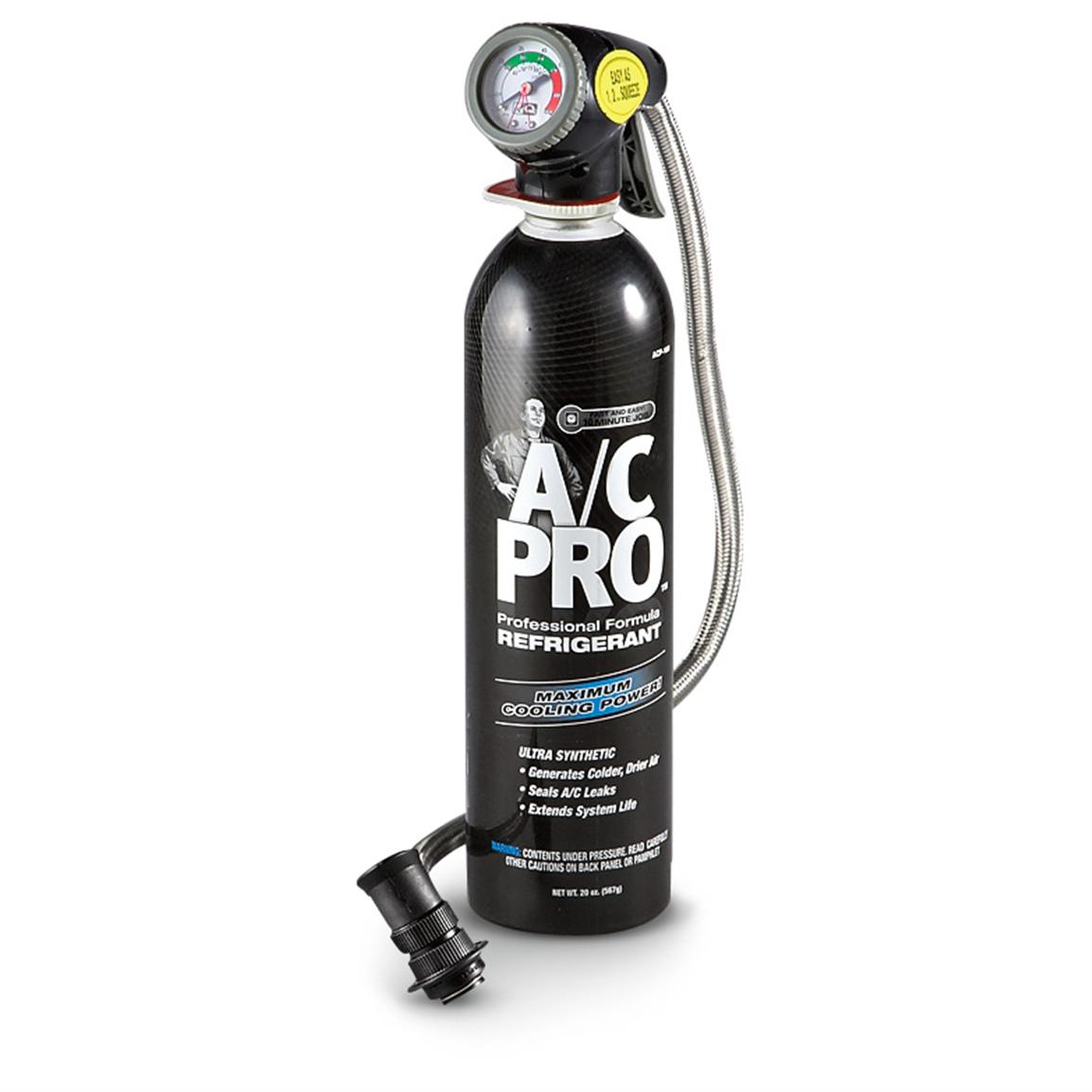
  • Refrigerant / Dispenser with Trigger and Gaug
  • Safety glasses and gloves

Wearing safety glasses while working under the hood is suggested to protect your eyes. Wearing gloves can also help prevent any skin damage caused by freezing refrigerant.

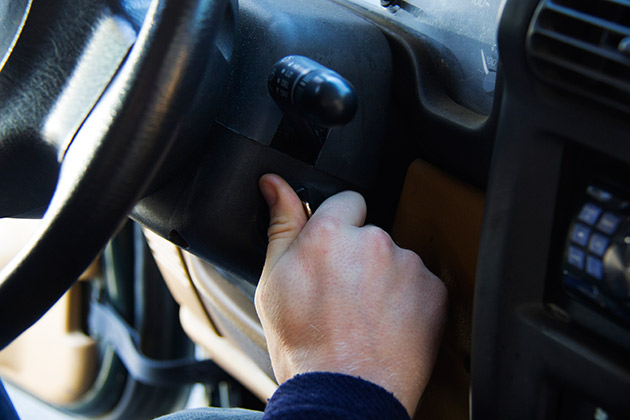
Step 1: Turn your A/C On.

Set your air conditioner to its maximum cool setting with the blower set to high.

ac 1

Step 2: See if your A/C Compressor is Running

When your A/C system is set to high and functioning properly, pulleys at the end of the compressor should be spinning. If your compressor is functioning as it should, but you still don’t feel a big burst of cool air, it’s likely you’re just running low on refrigerant. Especially if you still feel a slight breeze coming through.

If the clutch is not engaged and pulleys are not spinning, it could mean that your A/C system is low on refrigerant, or there are electrical problems with the compressor itself.

In both cases, adding more refrigerant after testing this should help you see what the issue is.

ac 2

Step 3: Check the Pressure

To check the pressure, first, be sure to turn your car off. Then, find the low-pressure port. This is typically located on the passenger side of the engine and can be identified by a black cap with the letter «L» written on it.

Step 4: Attach Recharge Hose

Place the fitting at the end of your recharge hose, cover the low-pressure port and push until you hear a click. Be careful upon handling. Accidentally pulling the trigger can result in releasing refrigerant from your A/C system.

Step 5: Start your vehicle

Start your car and ensure that your air conditioner is on its highest settings. Monitor your AC compressor to see if your clutch is engaged and the pulleys are spinning. If engaged, try to get a reading as close to 40 psi as possible. Anything under 40 is considered undercharged.

ac 5

Step 6: Install refrigerant can onto recharge hose

Once you’ve installed the refrigerant can hold upright and squeeze the trigger for 5-10 second increments. Upon releasing the trigger, be sure to measure the pressure gauge until you are as close to 40 psi as possible.

Step 7: Check Temperate Inside your Car

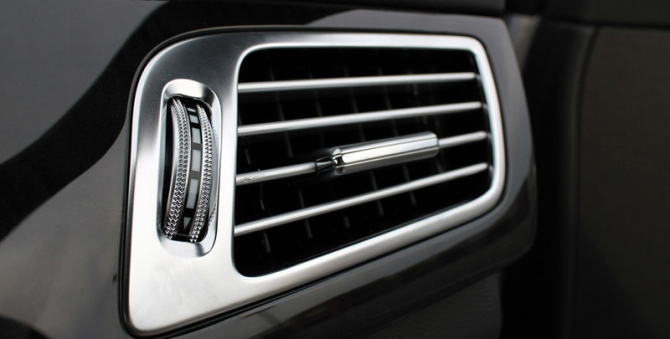
Insert a thermometer into your A/C vents and check the temperature. If your system is fully charged, you should get a reading between 28-30 degrees.

ac 7

Note that this is merely a temporary fix to a potentially bigger problem. Should your system be missing refrigerant, it could mean that there is a leak that must be looked at by a professional.

¿Tiene preguntas? Llámenos

Si tiene alguna pregunta sobre una póliza vigente, cómo pedir una cotización en línea o prefiere obtener su cotización por teléfono, nuestros agentes están listos para ayudarle.

773-847-9000

Visite una de nuestras oficinas

Encuentre un agente local para obtener una cotización gratis o recibir ayuda con su póliza actual.

Encuentre la oficina más cercana

Obtenga una cotización de la manera que prefiera

click

En línea

Comience una cotización

phone

Por teléfono

773-847-9000

in-person

En persona

Encuentre una oficina